
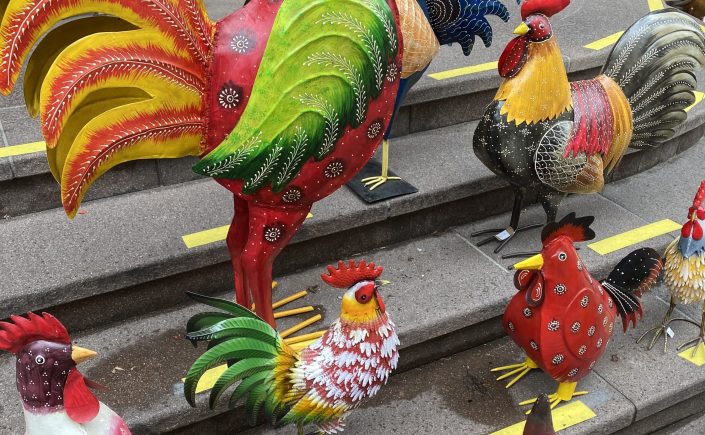
Recently, I read an article which answered an ancient and relatively “childish” question and the answer was: the egg came first. Modern paleontologists solved the puzzle which even ancient Greek philosopher Aristotle did not seem to be able to unravel. They officially stated that the egg came first, with egg-laying animals such as fish, dinosaurs, snakes, turtles, and later birds. Thus, first the egg and later the chicken. Egg-laying animals, researchers believe, appeared on earth 540,000,000 years ago, long before birds were set in place on earth, and also, before the chickens laid their eggs. An egg embryo provided the “big bang” to all kind of animals. Yes, before hens laid eggs… but, with or without the rooster’s intervention? In this case, who appeared first? The hen or the rooster? Or did they both appear at the same time? Ancient stories tell us of Adam and Eve, possibly after the snake…Who knows? Instead of pondering these “world creation” egg-chicken related questions, a couple of days ago, I went to a movie.
I went to see HEN, the story of a courageous, adventurous hen. This movie, produced by the Hellenic Broadcasting Corporation and directed by Hungarian Gyorgy Palfi, had some amazing photographs of a black hen which seemed to behave like a human. The plot of the movie focused on what happened to one hen in particular, what roosters do in general to hens, and what humans do to hens, roosters, and eggs. Eggs, which we gather, pile up, buy, sell, distribute, and use for food; eggs which are kept warm by hens or by machines, until chicks are hatched and turn into either hens or roosters. Hens, sometimes nasty to other hens when caged. Roosters which are there to make it possible for hens to lay eggs. Hens which experience rude or cruel behavior by roosters and by humans.
HEN, the history of a hen, was clearly no funny Walt Disney cartoon movie for little kids; however, it was worth watching. It made me think. The history of the hen showed illegal immigrants arriving in Greece and truck drivers trying to catch hens for food. The movie included a rooster-hen romance with many little yellow chicks, one black chick being hatched from a special egg, eggs growing into roosters and egg-laying hens. And, eggs, eggs, eggs! In the story of the HEN, one person, seemed genuinely caring about the egg-laying bird and her eggs, which became food for many people involved in the story. Do WE care enough about the eggs we use as food and about the hens which lay those eggs? Do WE care enough about people who come from far away?
SOMETHING TO KNOW ABOUT EGGS
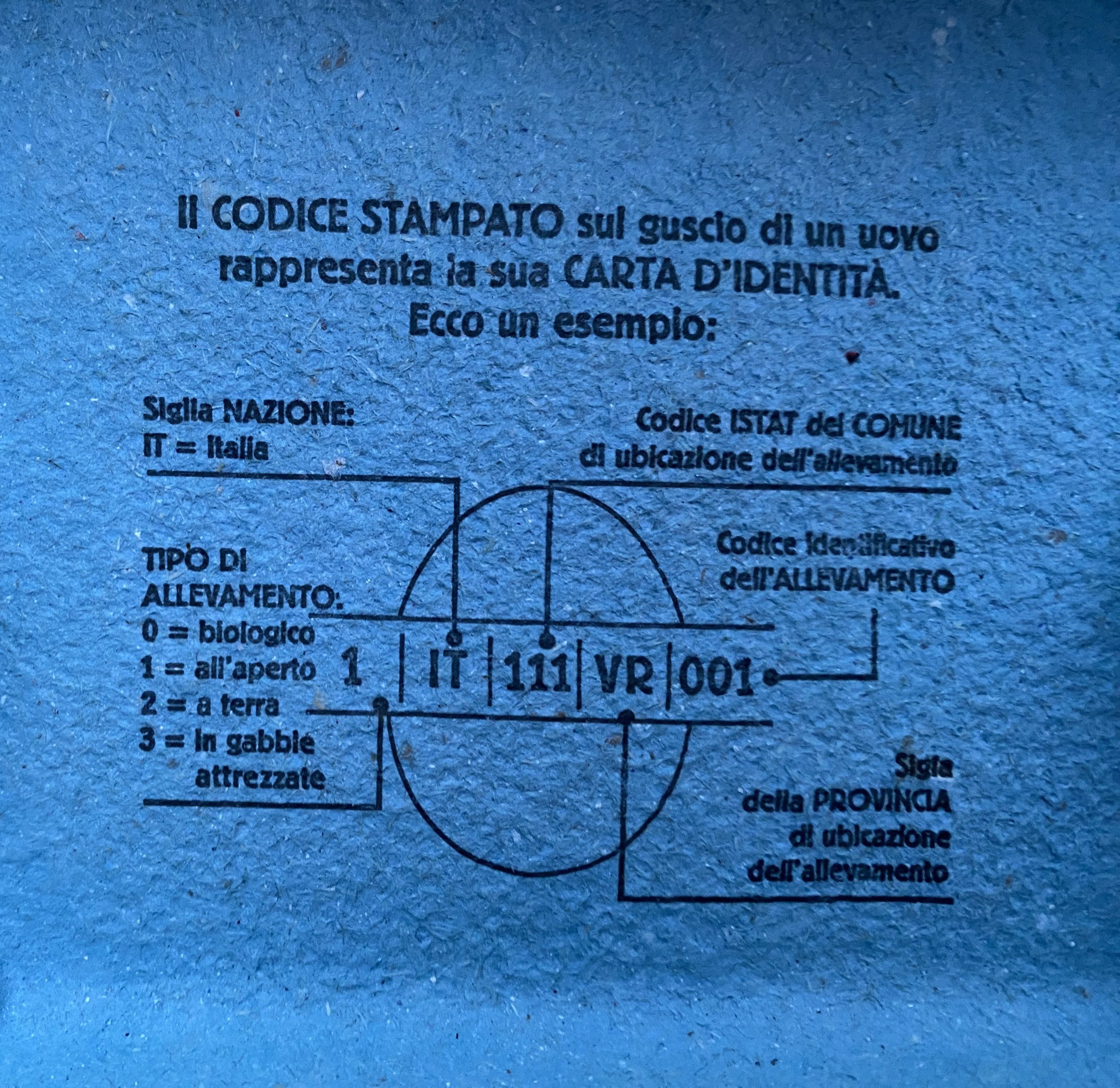
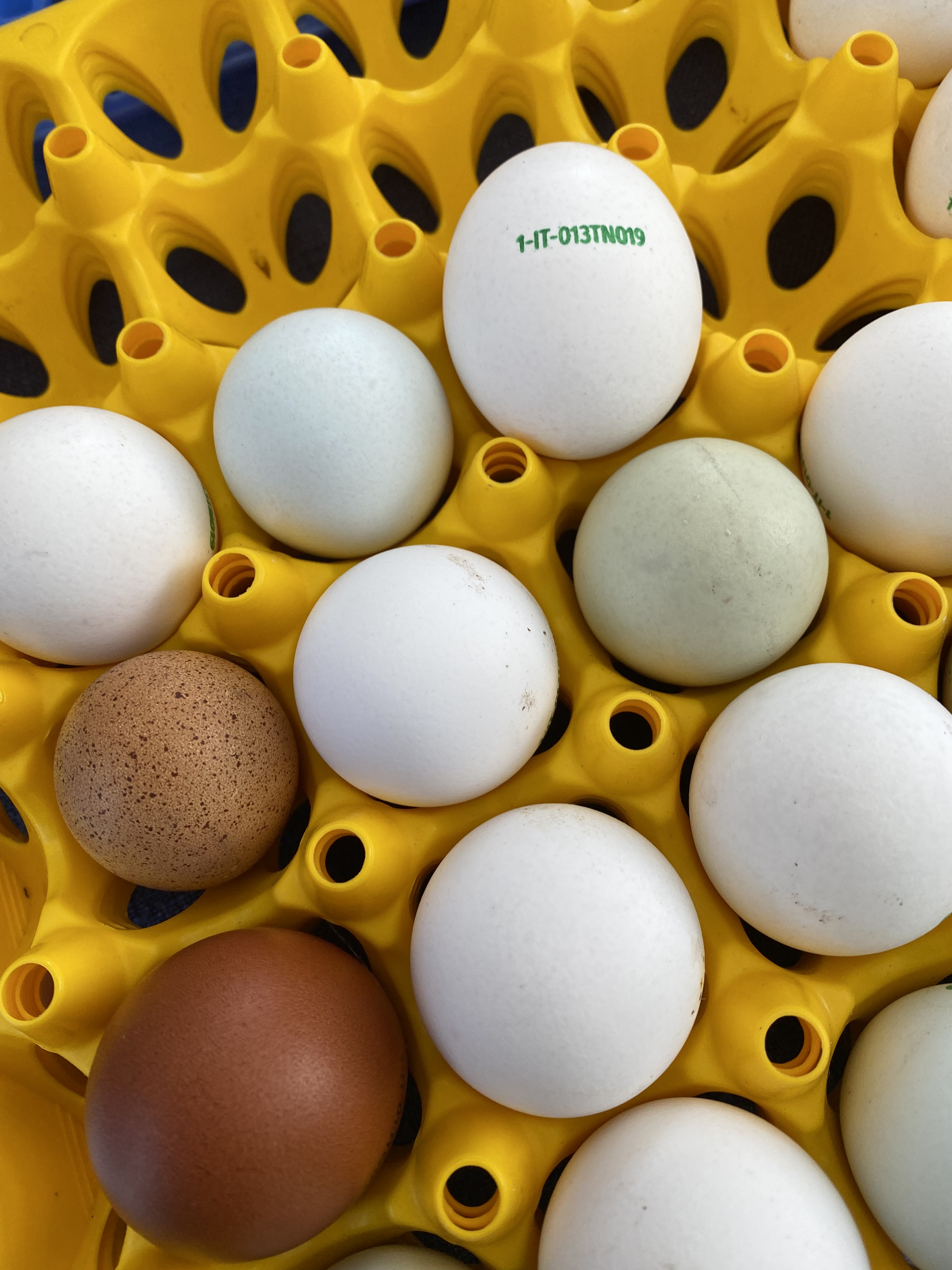
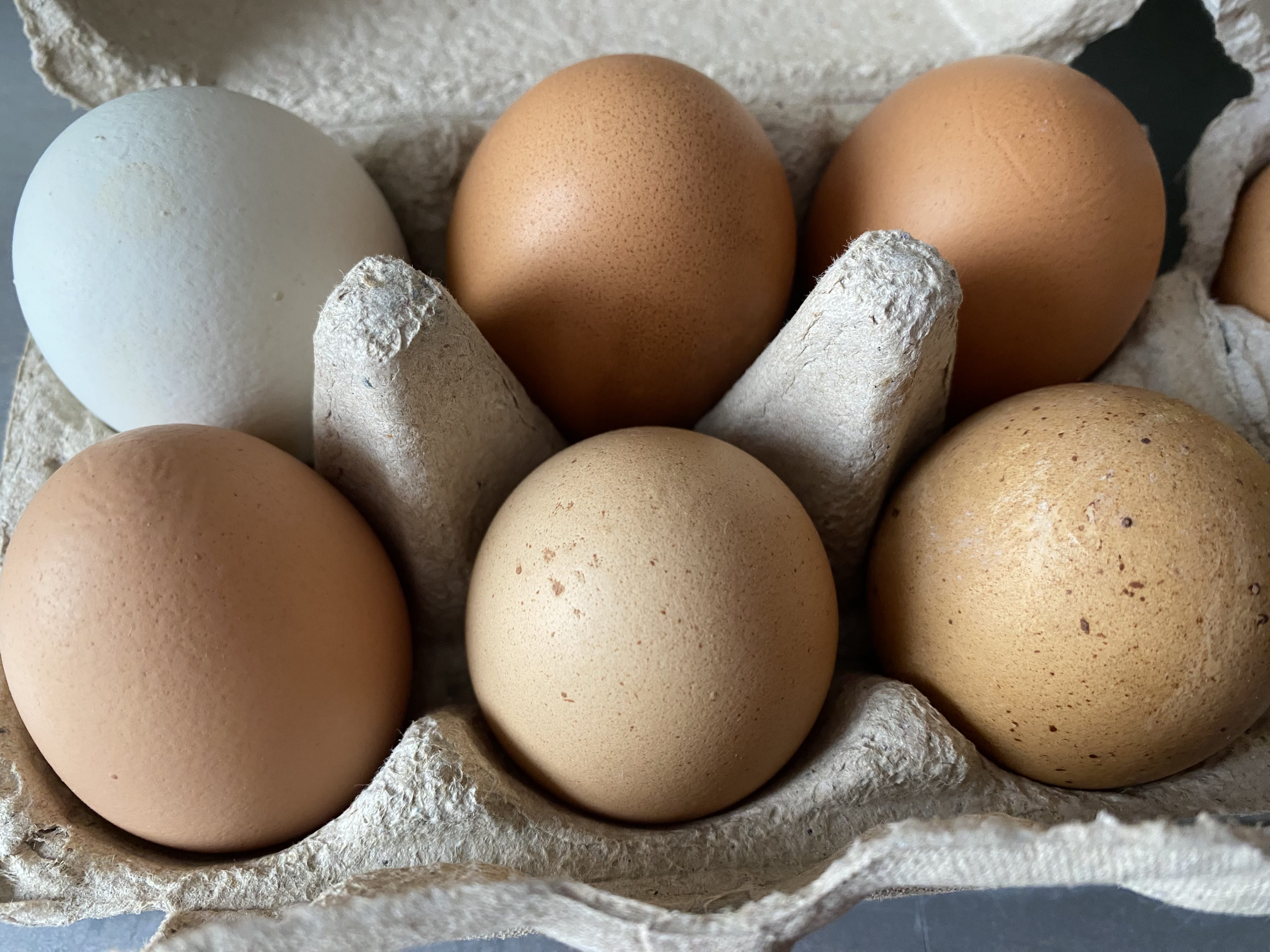
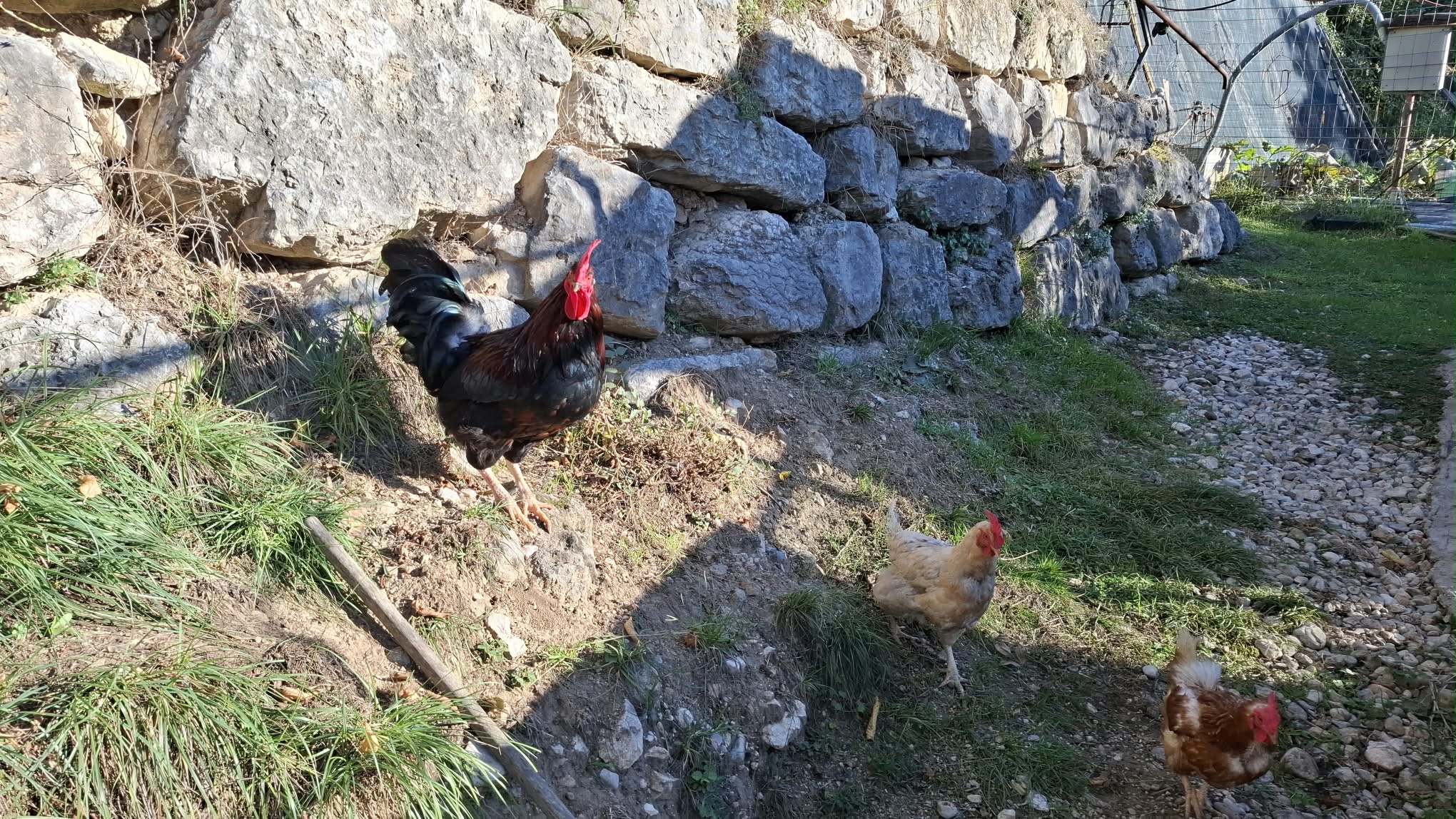
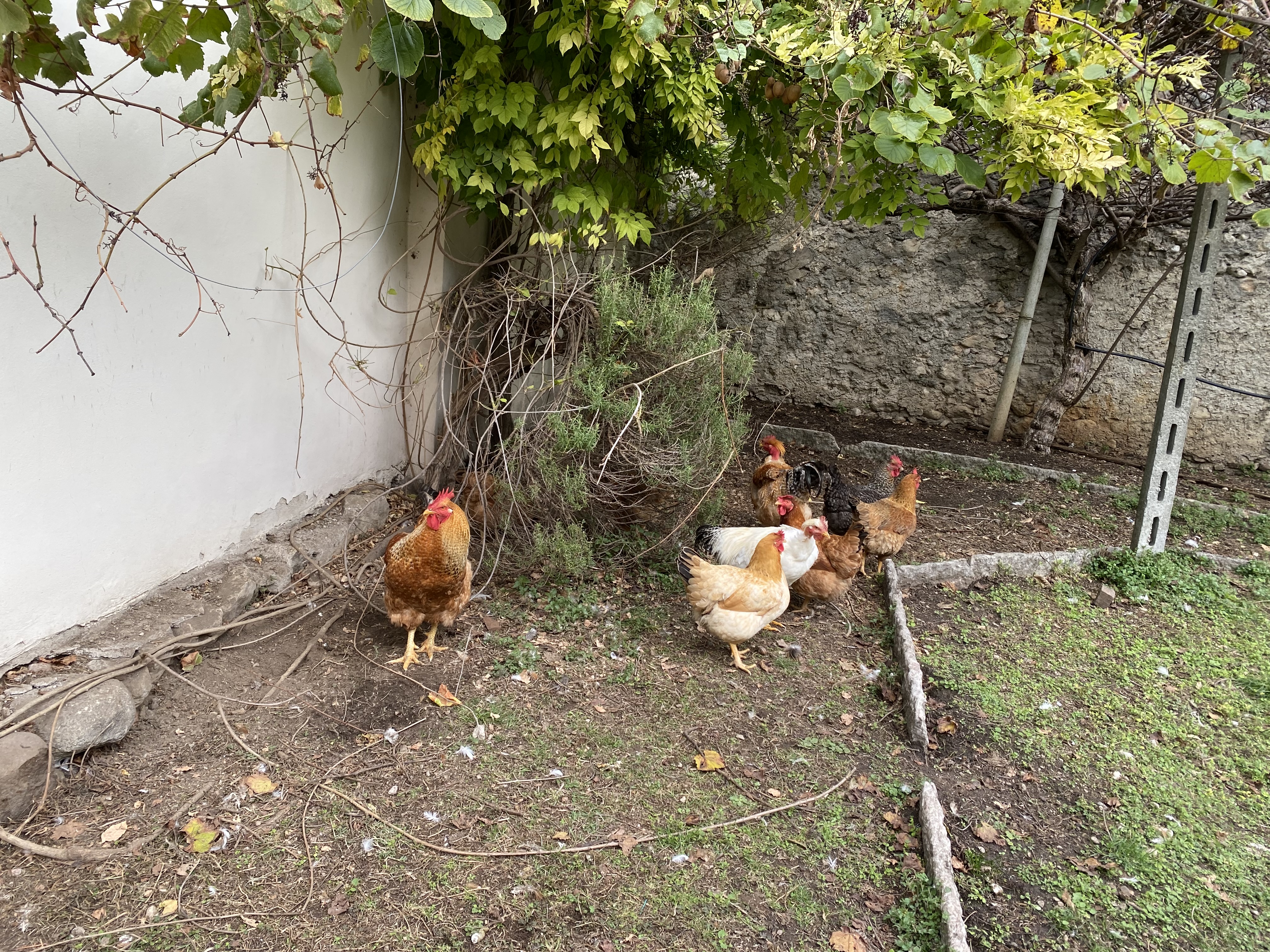
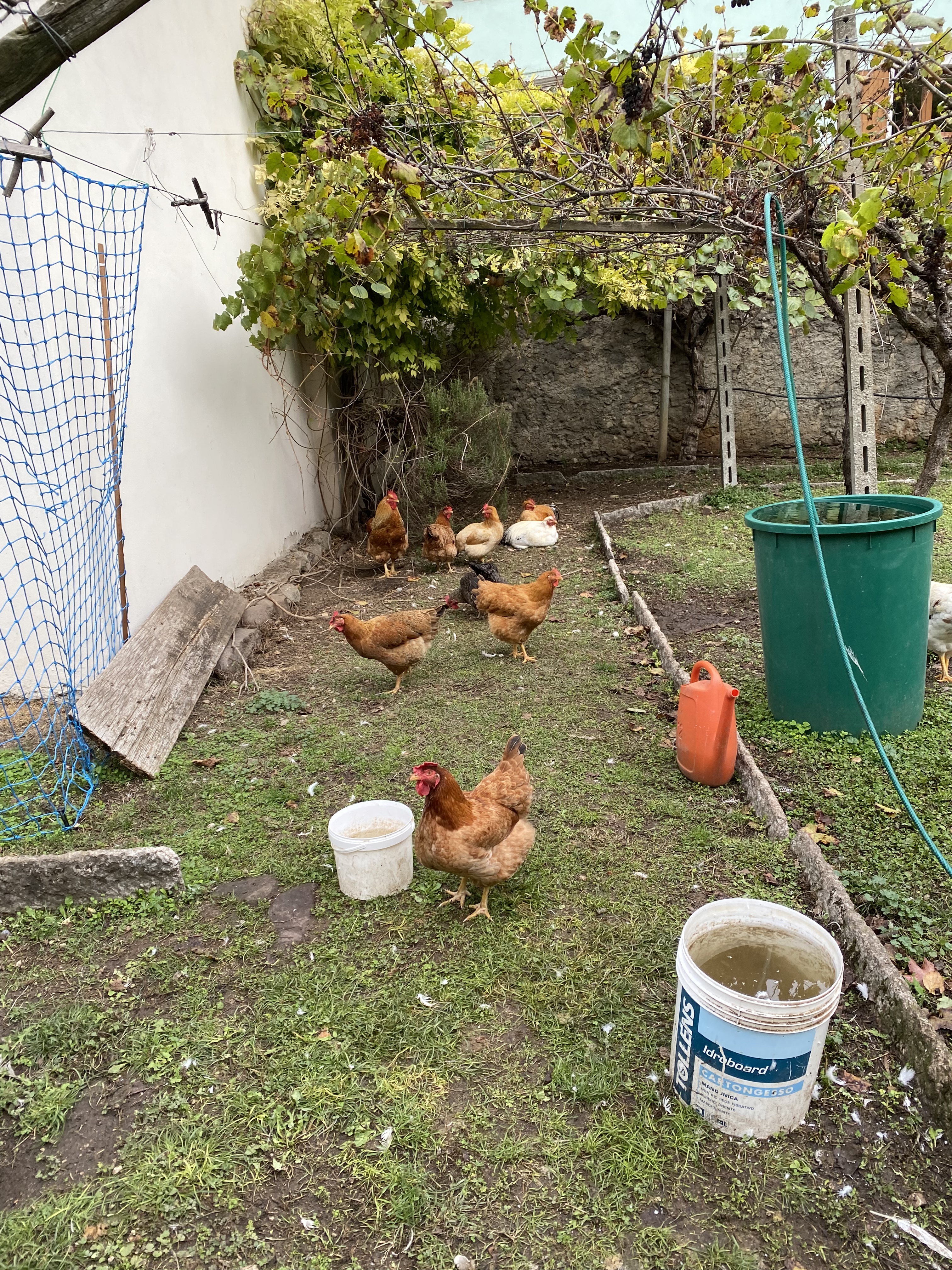
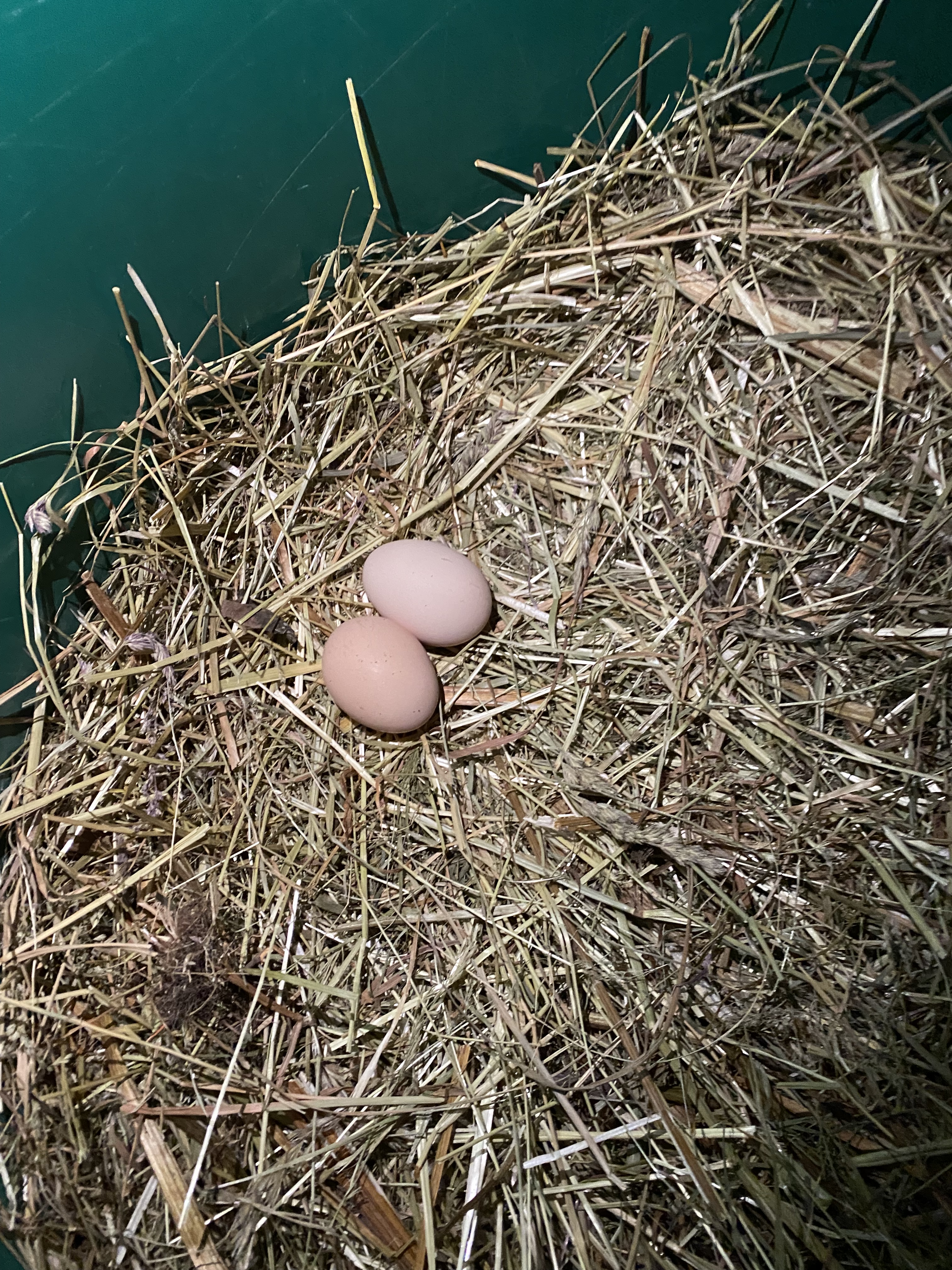
Early humans enticed chickens to live and lay eggs near their settlements. The keeping of chickens coincided with the keeping of sheep. Chicken were known at the era of ancient Egypt and the Pharaohs because artificial incubation was already practiced at that time. Chickens and eggs were used as food throughout ancient Europe including Italy before the arrival of the Vikings and before Christopher Columbus discovered America. Chickens were brought to America by the early settlers in Jamestown around 1607. Since World War I and II, egg production evolved to what it is now: an industrial endeaver. The result is more eggs produced on a larger scale; with it, a system of grading eggs based on quality, size, weight and whether the eggs come from hens which are free or caged. Eggs are also sorted by colors: white, brown, blue or green or slightly flecked. Some people believe that eggs from hens mated to roosters are more nutritious than non-fertile eggs, but there is no evidence of this. Eggs are a good source of iron, phosphorus, minerals, vitamin A and E and most vitamins B including B12. Every country has its own egg grading system. Biologically raised hens produce eggs which are graded differently than those produced by chickens industrially raised in cages. Usually eggs have a small stamp which identify the origing flock of hens. There are also codes for eggs which come from hens raised biologically, free range, farm raised or raised industrially battery caged. The code stamped on the egg is like the egg’s identity card.
SOMETHING TO PREPARE WITH EGGS IN HONOR OF SHIRLEY CHERKASKY
I recently lost a very dear friend of mine. Shirley was a wonderful and generous Culinary Historian who lived in Alexandria, Virginia. I am glad I was able to spend time with her and one of her daughters, this last February. I was not there when she passed away. I wish I could have held her hand, one last time. I will miss her. Many will miss her. Her daughters Claire, Mara and Lisa were there at her side. In her honor, and to remember her in love, I updated the content of my blog, and while in Italy I prepared Shirley’s Stuffed Eggs.
HOW TO MAKE STUFFED EGGS – ALMOST LIKE SHIRLEY’S
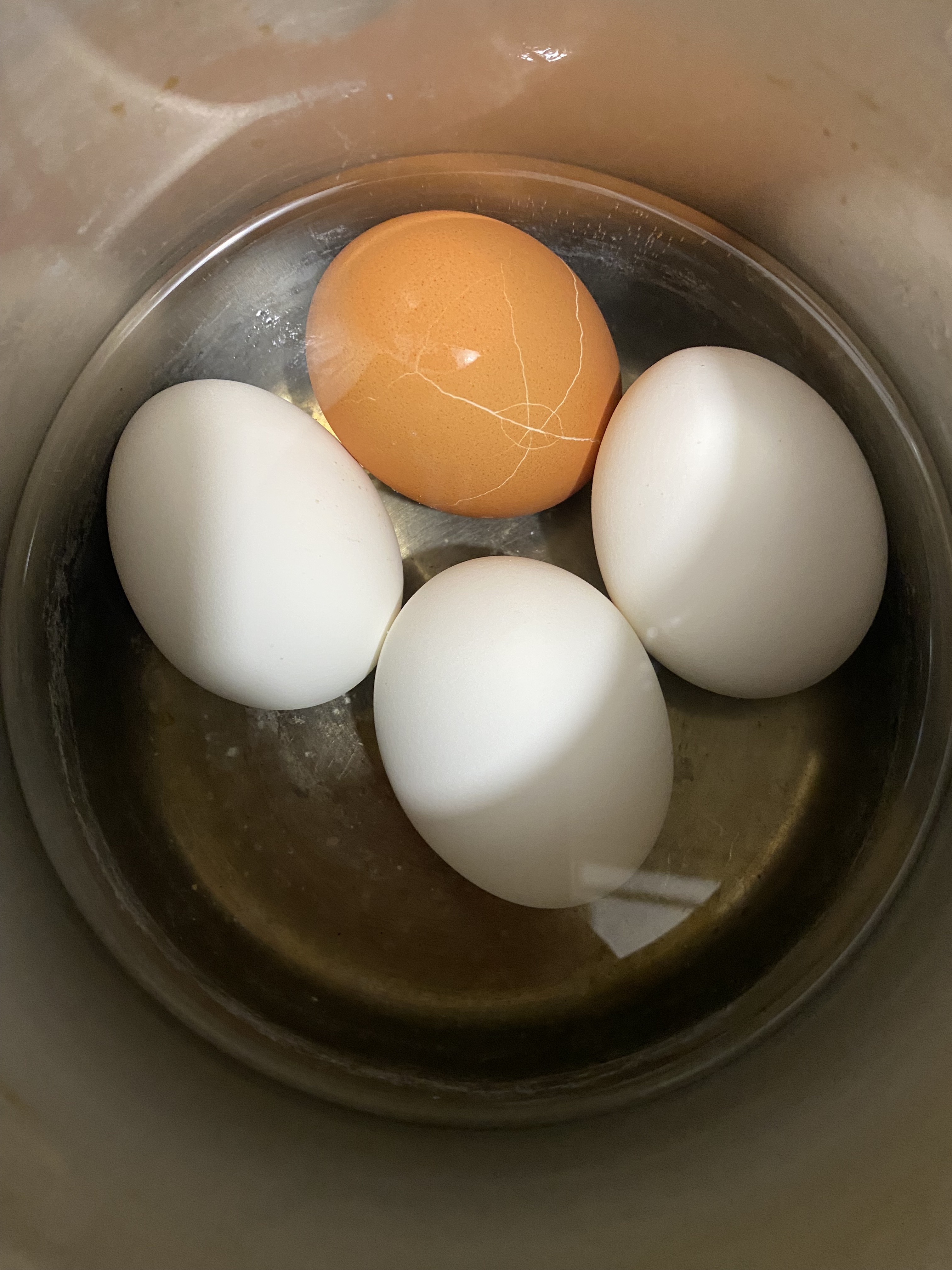
When boiling the eggs, make sure that the pot is large enough to hold them in a single layer. Fill the pot half full with water and add a teaspoon of salt before bringing the water to a boil. This will facilitate the peeling of the eggs once they are cooked. Over high heat, bring the water to a rolling boil, and with a slotted spoon gently deposit 10 eggs in the boiling water. Boil the eggs for 12 [for small-medium sized] or 15 minutes [for large sized eggs]. Peel the cooled eggs and cut them in half lenghtwise. Carefully remove the yolks and leave the white halves intact. Place the cooled egg yolks in a bowl and mash them with a masher or fork. Add: 5 Tbsp. mayonnaise or sour cream [panna acida in Italian], 2 Tbsp. finely minced chives or fresh stemless parsley leaves, 2-3 Tbsp. Dijon mustard [or to taste], 2 tsp. white wine vinegar, 1/4 tsp. fresly ground pepper, 1/2 tsp. salt, 1/4 tsp. Worcestershire sauce.
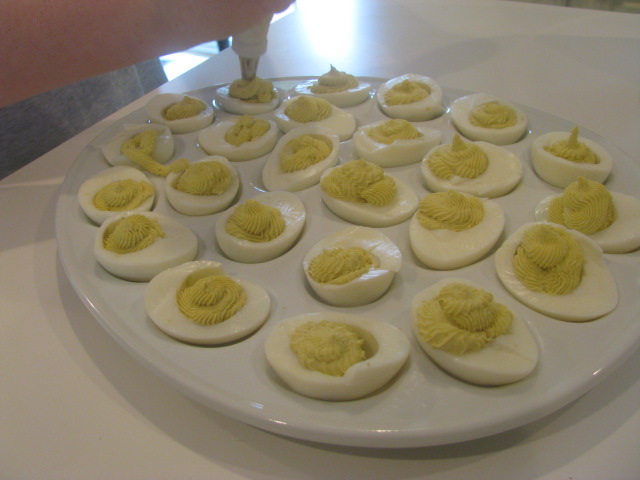
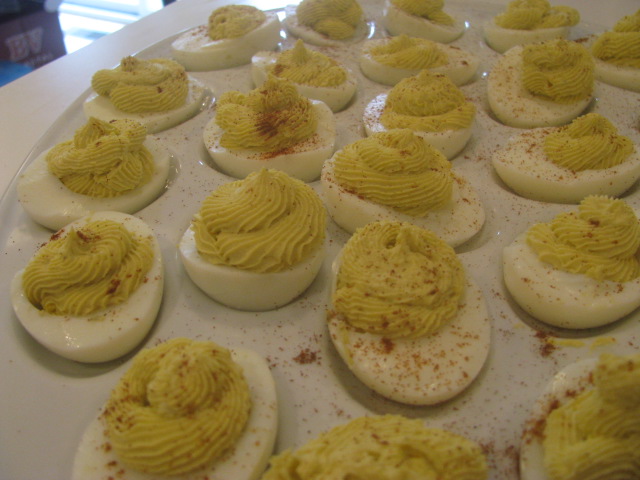
Place the egg white halves on a serving plate. Spoon the mashed filling mixture into each of the egg halves. Mound them slightly or pipe the filling into them. Sprinkle the stuffed egg halves with either sweet powdered paprika or curry powder. Keep the egg halves refrigerated until serving time.
HOW TO MAKE HOMEMADE MAYONNAISE – WITHOUT A FOOD PROCESSOR OR AN IMMERSION BLENDER
Mayonnaise is an emulsion of egg yolks, oil and spices or salt. If you are out of store-bought mayonnaise, make your own. For this recipe of stuffed eggs [see above], you will need: 3 fresh egg yolks, good oil, a whisk, a steady hand, time and patience. Ingredients should be at room temperature. Bear in mind, 1 egg yolk can emulsify up to 3/4 cup of oil. Add salt and spices, or mustards later. While you whisk and pour carefully the oil into the egg yolk, if the mayonnaise separates, slowly add another egg yolk; keep on stirring by hand until the additional egg yolk has incorporated in the mayonnaise. In this last case, you will need a little more oil to compensate for the added egg yolk, of course and more whisking and patience. Add your flavorings at the end. If the mayonnaise is too firm, add a drop of lemon juice. Since homemade mayonnaise is not pasteurized, use it and serve it right away, and keep the stuffed eggs refrigerated but not more than one day.
Keep in mind: A light seed oil used in the mayonnaise will produce a lighter type of mayonnaise than one made with Extra Virgin olive oil. Once you know how to make it by hand you can also make: curry mayonnaise [with a pinch of curry powder], mayonnaise with green herbs [preferably snipped chives or minced stemless fresh parsley leaves], tartar sauce [with peeled minced onions or scallions, minced capers and minced pickles] and sauce remoulade [with minced pickles, minced capers, minced fresh stemless tarragon leaves, 1 peeled minced clove of garlic, mustard and salt and pepper].
ADAPTED FROM AN OLD VERY AMERICAN COOKBOOK, WITH MANY EGG RECIPES: THE ALL NEW ALL PURPOSE JOY OF COOKING by Irma S. Rombauer, Marion Rombauer Becker and Ethan Becker, SCRIBNER, 1230 Avenue of the Americas, New York, NY 10020; copyrighted in 1931, 1936, 1941, 1943, 1951, 1952, 1953, 1961, 1962, 1963, 1975 by Simon & Schuster Inc. Renewed 1959, 1964, 1969, 1971, 1974, 1979, 1980, 1981, 1990, 1991 by Simon & Schuster Inc. Copyright 1997 by Simon & Schuster, The Joy of Cooking Trust and the MRB Revocable Trust.

