

Traveling around the world is an interesting and exciting experience. Returning to one’s roots and enjoying familiar foods is as joyful as experiencing a new voyage adventure. Tasting old heritage foods can be for some of us like winning a free ticket to a super screen movie. I grew up around a South Tyrolean-Trentino family and a loving Austrian grandmother. I called her with great affection “Oma.” She was a great cook and cake maker. My favorite dessert which she prepared for special events was a slice of dark buckwheat cake. It was filled with ruby red currant or cranberry jam. To honor my grandmother and what I was passed on, I recently explored South Tyrolean and Trentino’s buckwheat culture.
BUCKWHEAT – AN ANCIENT AND MODERN FOOD HISTORY
There are three species of buckwheat: the common Fagopyrum esculentum, the Tartary buckwheat (Fagopyrum tataricum) and the winged Fagopyrum emarginatum. The plant is native to Asia. Specifically, it comes from Manchuria (China). It was cultivated there at least since the 10th and 13th centuries. Buckwheat is not a cereal but an herb. It moved to Europe via Turkey from Russia, Ukraine, Siberia and China during the 14th and 15th century. From there, it also spread to the Germanic-Austrian and North Italian Alpine regions. In these areas, it is still called by various names. These names include: Heidenkorn (German – the grain of pagans), Heidenmehl (German – the pagans’ flour), Buchweizen (German – beech-wheat), Sarazenisches Korn (German – the grain of Saracens), Tatarischer Buchweizen (German – Tartarian beech-wheat), Formenton Nero (Italian – Black wheat) and Grano Saraceno (Italian – the grain of Saracens).


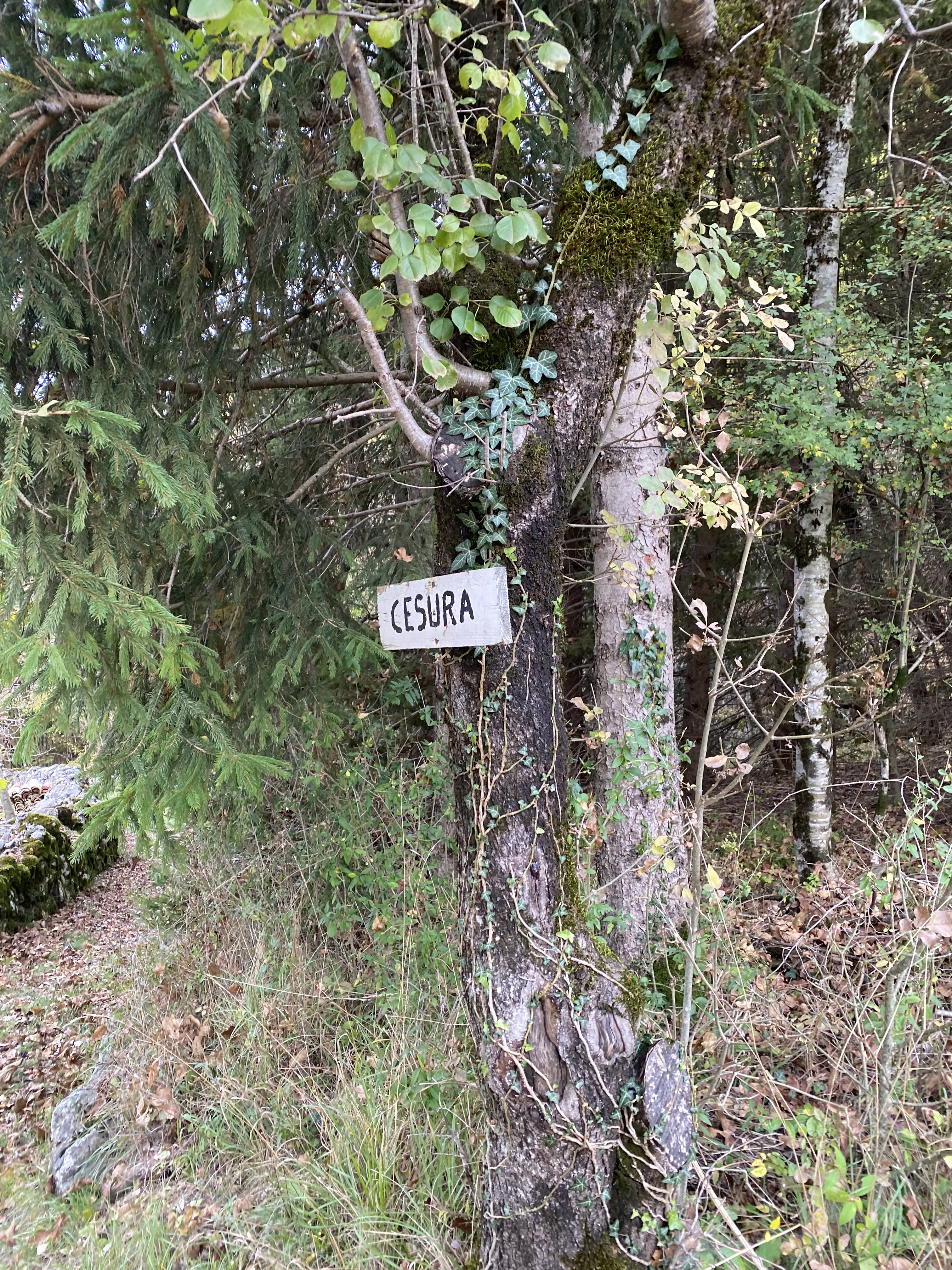
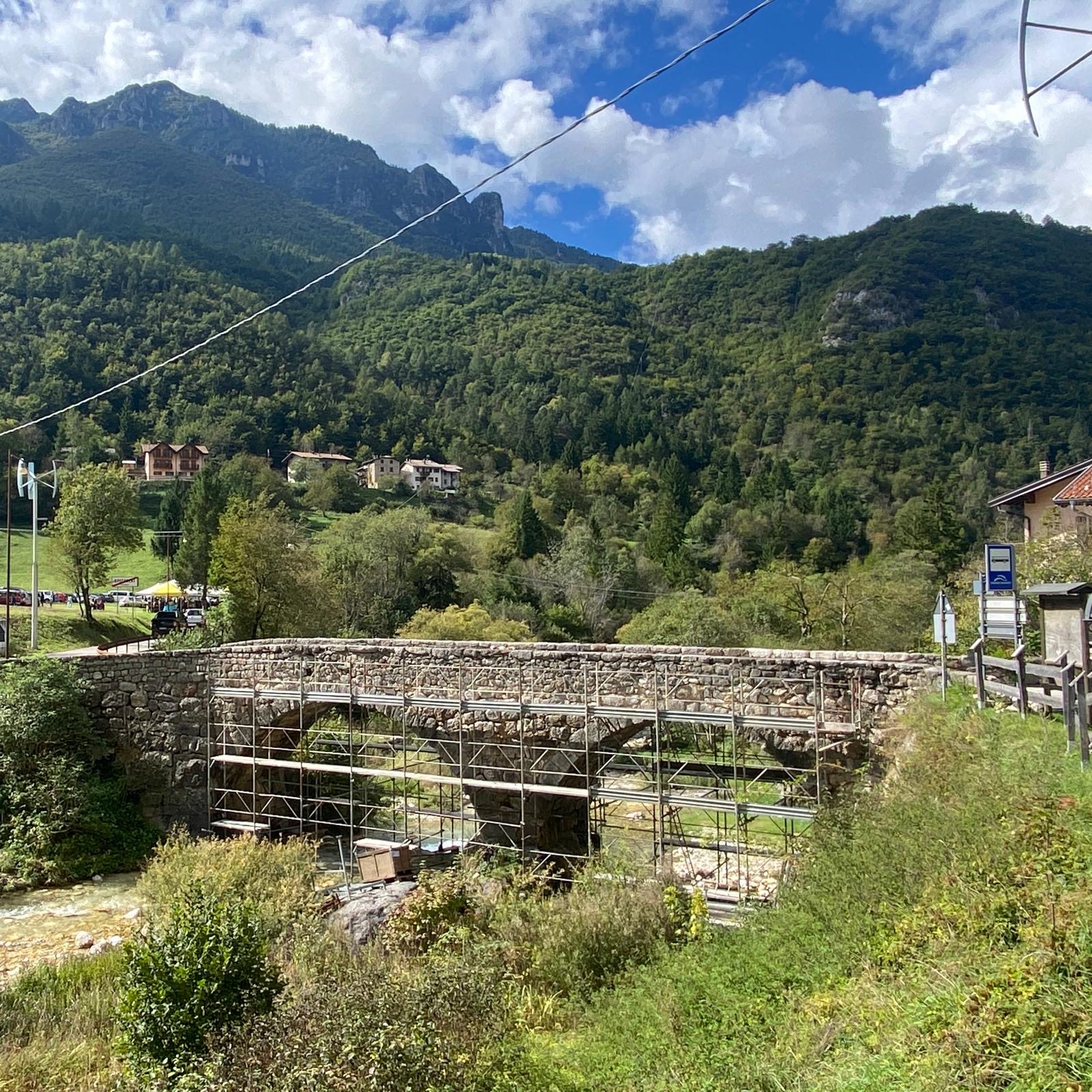
After its arrival from the Eastern territories, buckwheat found an ideal growing environment throughout the Alpine regions of Austria and Northern Italy. The mountainous terrain which was dry, rocky, and difficult was not easily suitable for wheat. Thus, mountain farming practices there embraced this ancient plant. In fact, buckwheat appeared in several versions of Pietro Andrea Mattioli’s work Pedanius Dioscorides. This work published for the first time in 1544 described medicinal and food plants known in the 16th century. Published, edited thirteen times, translated in several languages, Pedanius Dioscorides by Pietro Andrea Mattioli, personal court physician to Cardinal Bernardo Clesio of Cles, representative of Ferdinand, King of the Romans at the Coronation of Charles V (1485-1539), court physician to Maximilian II, Holy Roman Emperor in Vienna (1527-1576) and to Ferdinand II (1578-1637) included not only comments and illustrations of new plant foods, such as American corn, but also of the ancient plant of buckwheat.


To travel back to my family’s food history, I found buckwheat growing especially near the city of Rovereto in the province of Trento. It is cultivated, milled, distributed and prepared at the foot of two dry Alpine mountains, Monte Maggio and Monte Pasubio. These mountains span over the two terraced valleys of Terragnolo and Vallarsa. Both valleys are separated by the ice-cold mountain river Leno.
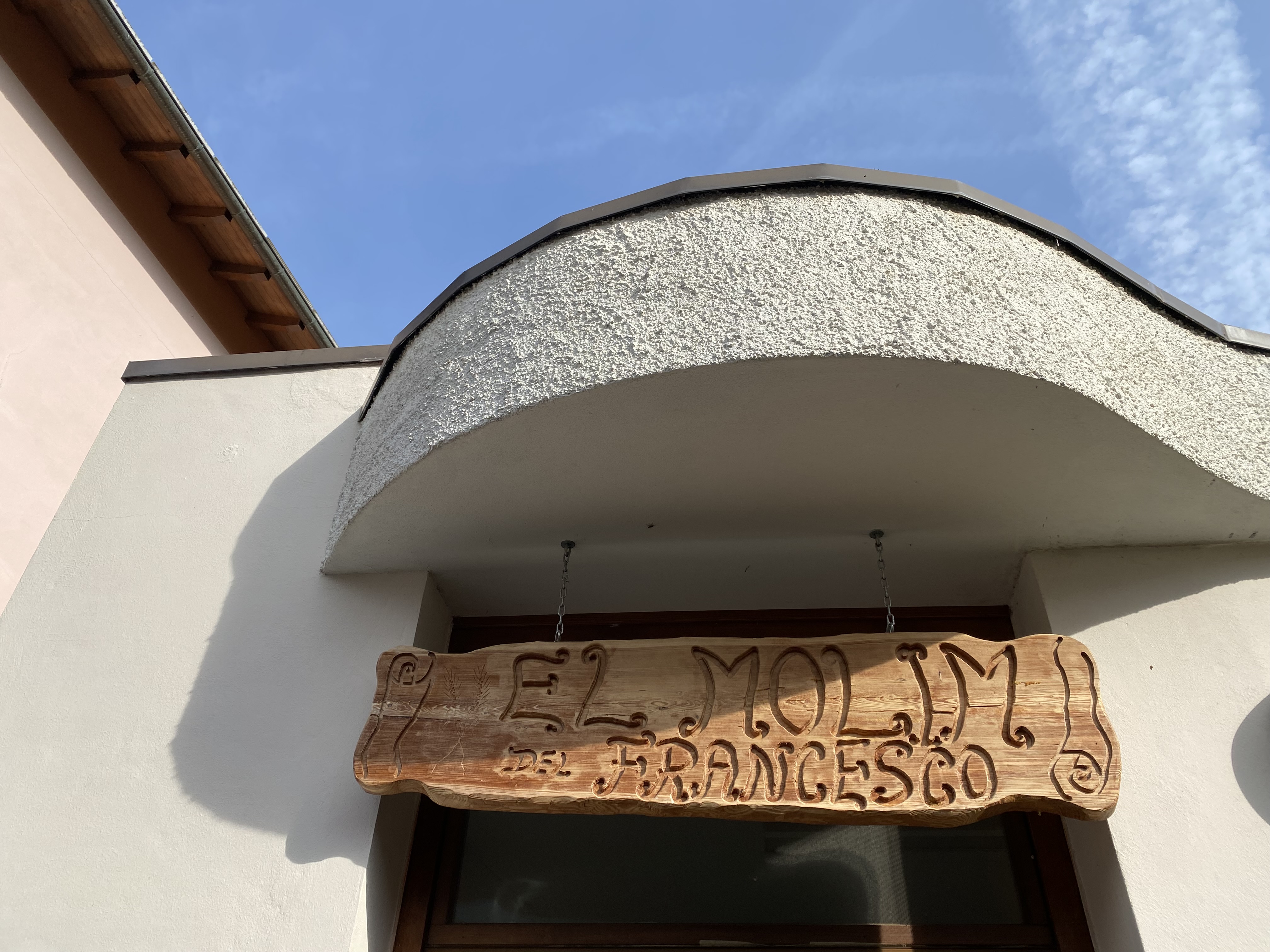


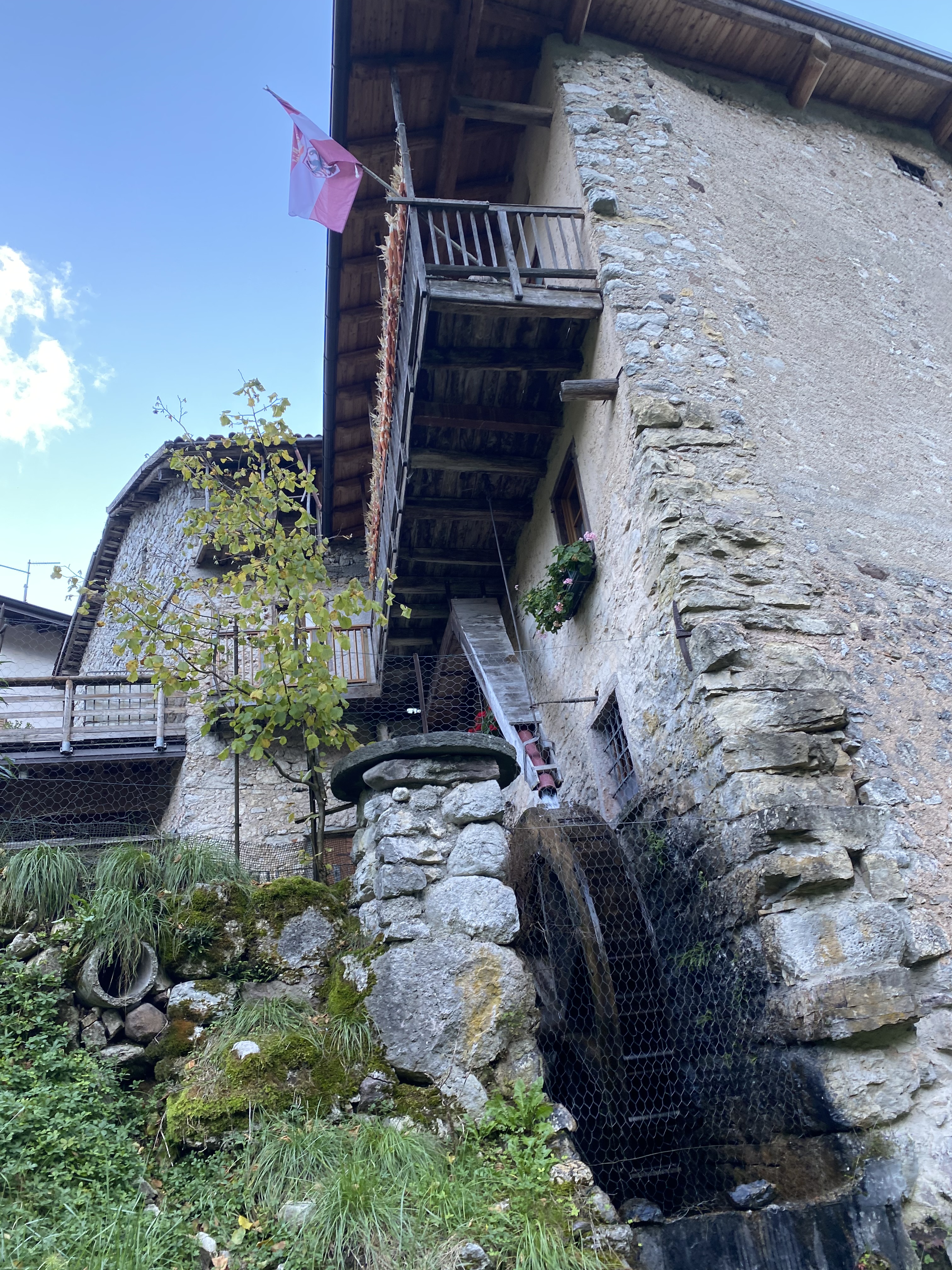

Once considered a poor man’s “grain,” the plant, with its beautiful little flowers and red stems, has recently regained popularity. Buckwheat is now distributed and advertised as gluten-free. It is especially considered healthy for those who need monitoring their glycemic index.
Even the modern SLOW FOOD PRESIDIO, together with community leaders and mayors woke up to the ingredient which my Oma used in so many sweet and savory dishes. Among the foods pushed by the TRENTINO Chapter born several years ago in Piedmont are two ancient wine varieties (Enantio and Nosiola), several cheeses, such as the Casolet, the Puzzone, the Trentingrana, the Vezzena, the Lagorai, a special butter from Primiero, a white purple beet called Ciuiuga, the Torbole’s broccoli, Trentino’s olive oil and its honey (www.slowfoodtrentinoaltoadige.com).
ANCIENT AND LESS ANCIENT BUCKWHEAT RECIPES
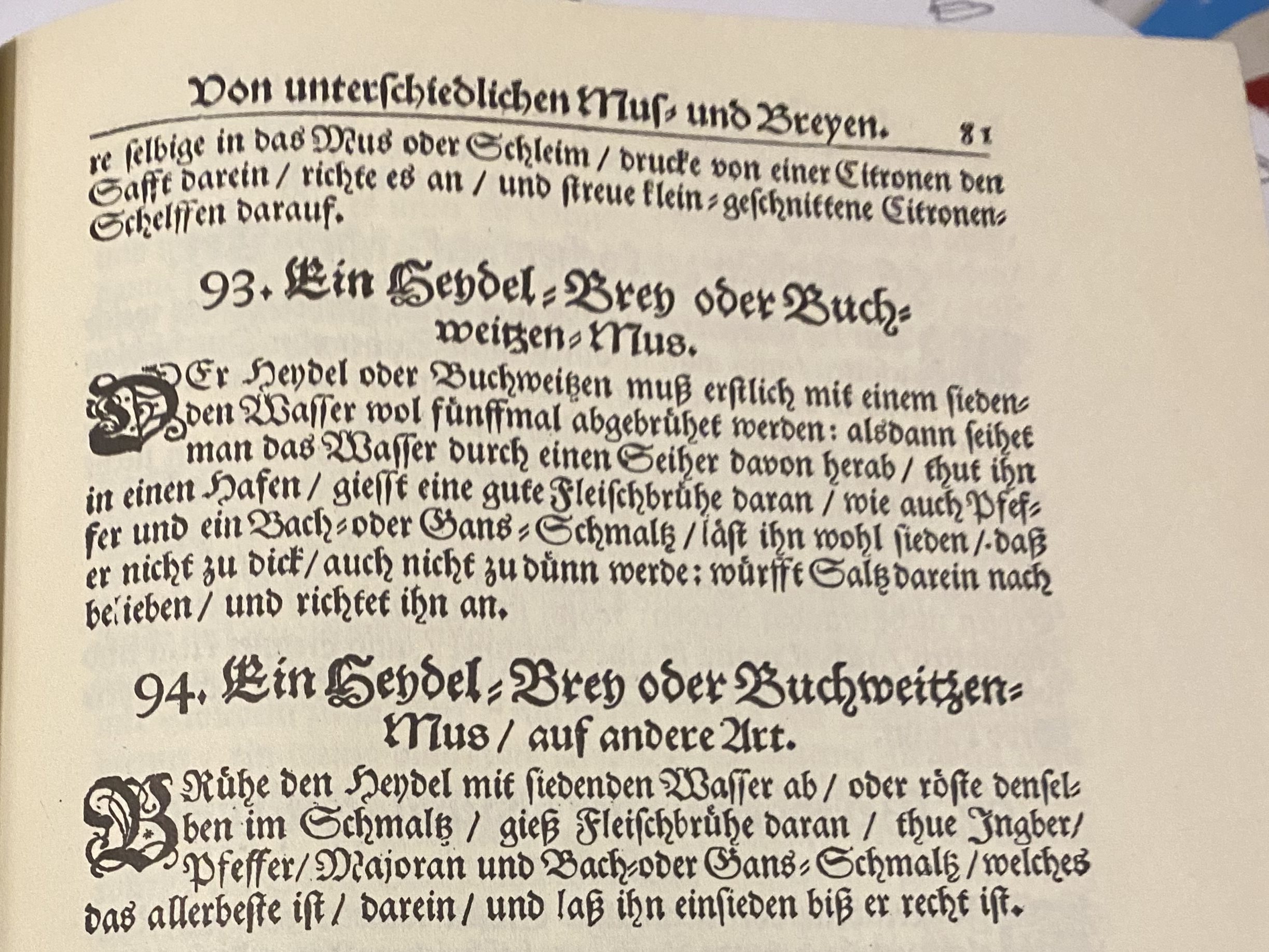

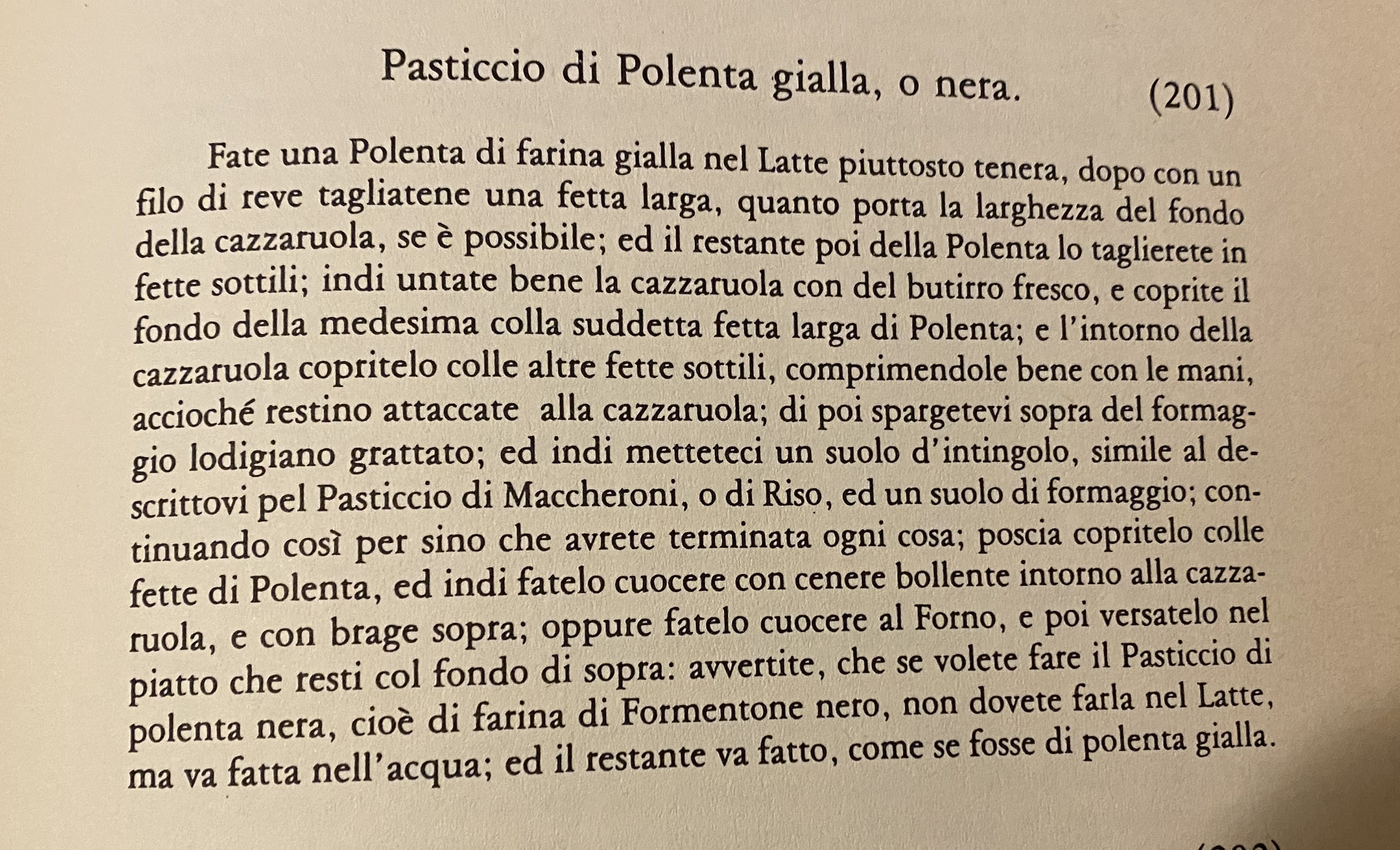
BUCKWHEAT MUSH also called POLENTA NERA or POLENTA DI FORMENTON or POLENTA TARAGNA
This regional specialty is made with fine milled cracked buckwheat flour and is a very ancient “polenta” dish. In Germanic cuisine, this mush is called either “Heydelbrei” or “Haidenbrei” or Buchweizen Muas. In Italian the mush is known as “Polenta Nera” or “Polenta di Formenton.” On the commercial market, buckwheat flour is sold as being made from hulled crushed kernels. These come in coarse, medium, and fine grinds.
If the dish is prepared with a mixture of buckwheat and corn meal it is called “Polenta Taragna.” It is usually cooked in water, broth, or milk. This depends on whether it should be sweet or savory. For sweetness, serve with butter and sugar. For a savory taste, top with butter and cheese or serve with some roasted meat.
SERVES 2-4: In a sauce pan, start by stirring 1 cup of medium milled cracked buckwheat into 3/4-1 cup of cold water. Add 1 tsp. salt to the mixture. Place the pot on the stove burner and set it to medium heat. Add 4 more cups of boiling water to the buckwheat. Stir constantly until you obtain a smooth mush. If the polenta appears too dense, add more boiling water or broth. While stirring, cook the mush for about 10 minutes, or until the mush has reached the consistency you like. To prevent lumps, stirring constantly is imperative. Serve topped with melted butter, grated cheese or “gorgonzola” cheese.
You can also serve the mush with spare ribs or pieces of roasted meat. For “Polenta Taragna” follow the same method but mix half fine milled cracked buckwheat flour and half corn meal flour.


OMA’S BUCHWEIZENSUPPE (GRANDMOTHER’S BUCKWHEAT SOUP)
Serves 4: 4 Tbsp. peeled, chopped onions, 1-2 Tbsp. cleaned, chopped fresh leek stems, 1 small peeled chopped fresh carrot, 2 Tbsp. butter, 4 cups vegetable broth, 8 Tbsp. buckwheat kernels, 1/4 cup whipping cream, 1 egg yolk, 1/2 crushed, peeled garlic clove, 1 Tbsp. fresh basil (or parley), pepper and salt to taste. 1/4 cup whipping cream, whipped (about 4 Tbsp) and 1 tsp finely snipped fresh chives.
In a medium sized pot, heat the butter; saute the onion, the leek stems, and the chopped carrot. Add the buckwheat kernels, pour over them the vegetable broth and stir. Season with salt and freshly ground pepper. Cook the soup (about 15 minutes) or until the buckwheat kernels are soft. In a food processor or blender, puree the raw garlic with the fresh basil (or parsley). Before serving the soup, whip the egg yolk and whipping cream together. Stir the mixture into the soup. Serve this soup topped with the whipped cream and fresh snippets of chives.
BUCKWHEAT FLOUR ROUNDS also called FANZELTO
This specialty is an ancient food prepared throughout the mountainous Vallarsa, Terragnolo and Monte Pasubio region. It is a classic specialty made from buckwheat, also called Formenton. Fanzelto is glutenfree and delicious, especially if served as a wrapper with your favorite stuffings.
Rovereto’s Trattoria da Christian still serves today Fanzelto; stuffed with slices of Trentino cheese and thinly sliced soppressa sausage. Chef Christian’s Fanzelto is also filled with fresh very finely shredded green cabbage, called “cavolo cappuccio” and dressed with yogurt salad sauce. The Trattoria has been in business and family run as a coach rest station since 1690.


HOW TO MAKE 12 BUCKWHEAT FANZELTO (Adapted recipe; Azienda per il Turismo Rovereto Vallagarina e Monte Baldo, Rovereto (TN), Italy).
This very flat dark bread was created long ago by home cooks who faced a shortage of wheat. Wheat was not easy to grow along the stone terraced fields set high up in the mountains. Today, this Trentino specialty is rarely prepared in modern kitchens. It can transport American readers back to Mexican Sonoran Tortillas. Or it can remind them of Fajita wrappers.
2 cups buckwheat flour, 5 cups water, salt to taste, enough lard to fry-parch the Fanzelto in a flat pan. Mix and stir the buckwheat flour and the water until obtaining a soft paste. Season to taste with salt the soft paste and finish stirring well in order to avoid a lumpy paste. If too dense add a little water. Heat the flat pan with a layer of melted lard or oil well. When the bottom of the pan is very hot and translucid, ladle a portion of the soft paste over it. Make sure the fanzelto is distributed evenly over the bottom of the pan. Fry and parch the Fanzelto on both sides.
WHERE TO TASTE CHRISTIAN’S FANZELTO: AT THE TRATTORIA DORIGHELLI CUCINA TIPICA PANINOTECA – BAR CHRISTIAN, Via Orefici 17, 38068 ROVERETO (TN) – + 39 0464 43 19 48; open Monday through Sunday – no reservations – email: barchristian@rovereto.com
WHERE TO LEARN HOW TO BAKE BUCKWHEAT CAKES AND CUP CAKES AND OTHER REGIONAL PASTRY SPECIALTIES WITH MASTER PASTRY CHEF LORIS OSS EMER:
Master Pastry Chef Loris Oss Emer has a long and outstanding experience in cake and pastry baking. He is the author of several illustrated Italian books on basic, regional and international baking. He is accessible, either in person for baking classes at his Pianeta Dessert School Srl. in Trento (Via Alto Adige 110, 38121 Trento, Italy) or on videos shown by accessing http://www.pianetadessert.it or via email: info@pianetadessertschool.com) or by phone +39 351 9060345 – to celebrate buckwheat culture and for Culinary Roots and Recipes, Master Pastry Chef Loris Oss Emer shared this special recipe:
HOW TO PREPARE MASTER PASTRY CHEF LORIS OSS EMER’S BUCKWHEAT CAKE WITH MENZ & GASSER CRANBERRY FILLING:
For a 12 servings’ cake: Select a pan that suits the shape of the cake. You can choose either a round layer cake pan or a round springform pan with a flat layer bottom. It should be about 9-10 inches in diameter and 2-4 inches deep.
The cake’s ingredients: 3/4 cup butter, softened, 3/4 cup powdered sugar, 1/2 cup egg yolk mass (about 5 egg yolks), 3/4 cup finely ground blanched almonds, 3/4 cup finely milled buckwheat flour, 1/2 Tbsp. dry yeast, a pinch of salt, vanilla extract to taste, 5 beaten egg whites and approximately 1 1/2 or 2 cups of Trentino’s Menz & Gasser cranberry jam.


In a suitable mixing bowl, combine the softened butter and the powdered sugar. Then add the egg yolk mass, the salt, and the vanilla extract. Gradually add and mix in the buckwheat flour, the finely ground blanched almonds, and the dry yeast. To prepare a smooth cake mass, start by combining all ingredients. Then fold in the foamy beaten egg whites. Preheat the oven to 350 degrees F (180 C). Grease and flour the cake pan, scrape the cake mass into the pan and spread it evenly around the borders. Bake the cake for about 25 minutes, or until a toothpick inserted into the center comes out dry and clean.
Let the baked cake cool on a rack for 10 minutes. Slide a thin and sharp knife around the cake to detach it from the pan. Invert the cake and peel off a liner, if you have used one. To invert the cake you can either place a serving plate or a rimless cookie sheet on it.
The cake should be completely cool before cutting it horizontally and filling it. One possibility could be placing the cake in the freezer for about 10 minutes. To divide it into two layers, place one hand flat on the cake. Hold the blade of a serrated knife. While cutting it horizontally in the middle, you can turn the cake counterclockwise. For the filling, use a pastry bag. Fill it with Menz & Gasser cranberry jam. Pipe the jam over the cut-open layer cake. Serve with a cup cappuccino coffee or like my Oma used to do with freshly brewed Viennese Meinl coffee.
OTHERWISE – WHERE TO TASTE A FINE BUCKWHEAT CAKE IN TRENTINO, NORTHERN ITALY:


AT THE ROVERETO RAILROAD STATION NEWSPAPER STAND AND BAR – ASK FOR ENRICA’S BUCKWHEAT CAKE – TORTA DI GRANO SARACENO CON CONFETTURA DI MIRTILLI ROSSI – Piazzale Paolo Orsi, 12 – 38068 Rovereto (TN) – Tel. + 39 0464 424922
IL BARDIVERSO (almost across Rovereto’s MART Museo) – Corso Bettini, 30 – 38068 ROVERETO (TN) – Tel. + 39 3499732496
BIBLIOGRAPHY:
I. Spriewald; Wolfgang Moritz Endters. Nuernbergisches Kochbuch, Nuernberg 1691; Facsimile 1979 Olms Presse, Hildesheim, New York
C. Hagger. Neues Salzburgisches Kochbuch; Augsburg 1719; Johann Jacob Lotter (no.2 of 2)
Don Felice Libera. L’Arte della Cucina, Ricette di cibi e di dolci. Manoscritto Trentino di Cucina e Pasticceria del XVIII secolo; a cura di A. Mazzoni. 1986, Arnaldo Forni, Salka Bolognese.
Gasteiger, Wieser, Bachmann. So Kocht Suedtirol. 2010, Verlag Athesia, Bozen-Bolzano
Rombauer, Rombauer Becker and Ethan Becker. Joy of Cooking; 1931-1997, Scribner – Simon and Schuster, New York 10020
Ensminger, Ensminger, Konlande and Robson. Food for Health, A Nutrition Encyclopedia. 1986, First Edition, Pegus Press, Clovis, California 93612
Theiner, Wilberger, Ladurner, Tauber, Fink, Dalmonego, Peer. Suedtiroler Hotelier und Gastwirteverband Fachgruppen der Gast-Schank-und Beherbungsbetriebe Tirols; 1976, Tirolia, Bozen
 CULINARY ROOTS & RECIPES™
I didn’t know anything about buckwheat. Now I do! I think you must have eaten lots of buckwheat for the writing of this article. I wonder if I’ve ever eaten buckwheat cake with you. I need too!!
Hi! I’m the anonymous commenter
Hallo anonymous commenter! (-:
We will when you are in Rovereto!