

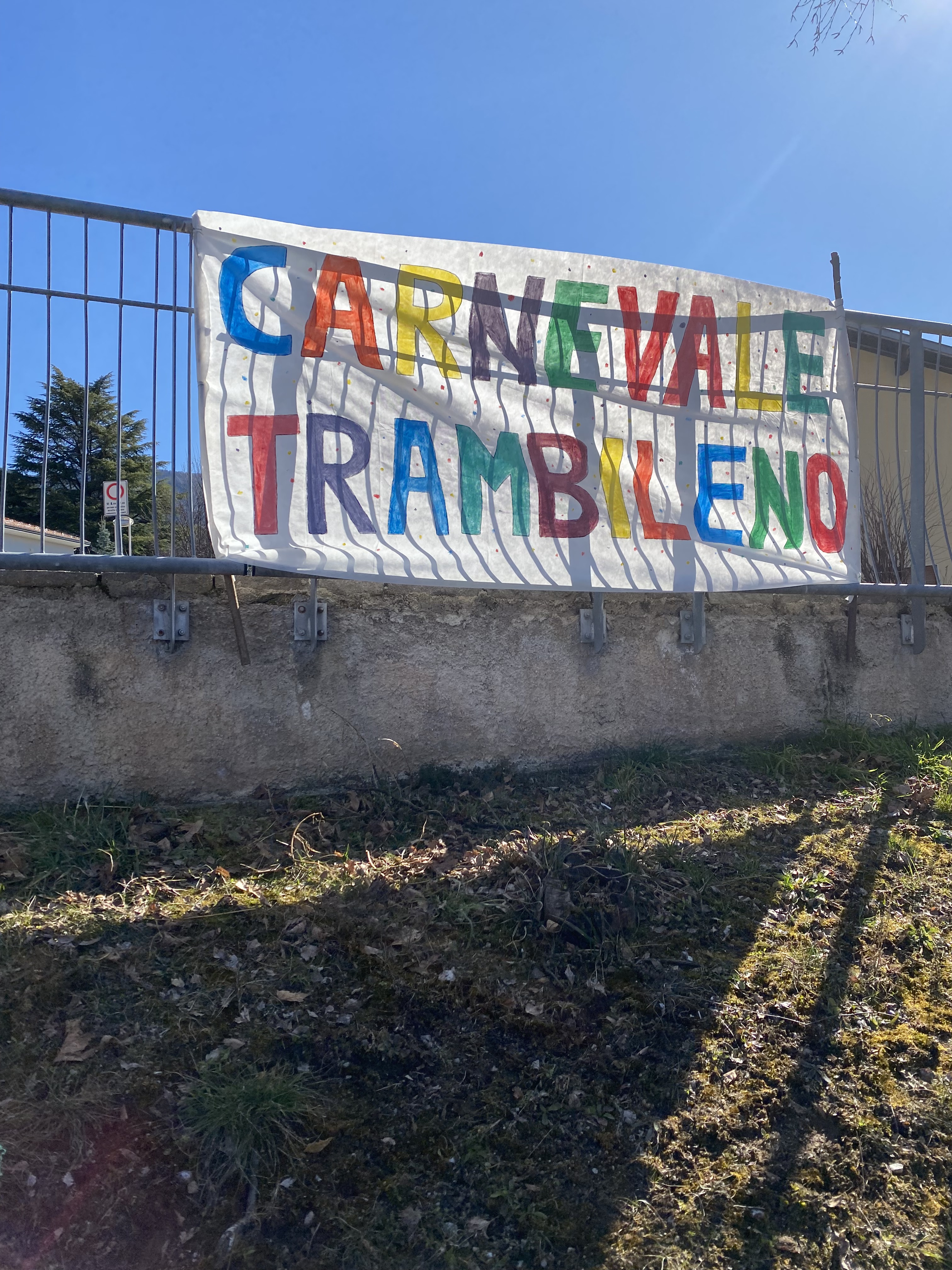
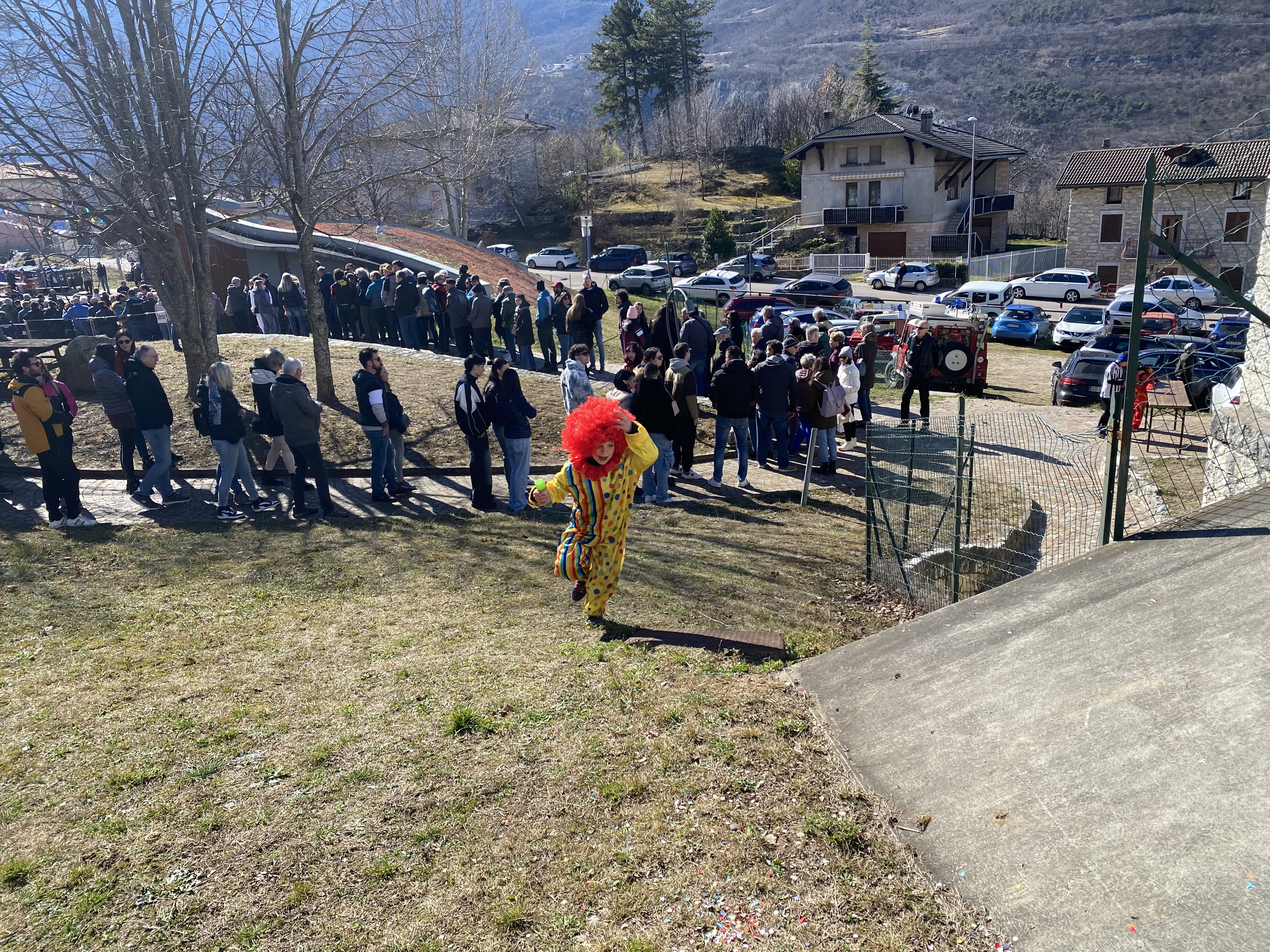
Hard to say when the tradition of Carnival began. The origins of the festival also known as Mardi Gras or Shrovetide are truly lost in time. According to the Italian cultural anthropologist Giovanni Kezich, the story of the Carnival season dates back to pagan times. Today it is a season that includes Shrove Sunday, Shrove Monday, and Shrove Tuesday. It also includes Mardi Gras, which precludes what many call Lent. It might have started before Christian times when harvesting and gathering people dared to indulge in foods kept over the winter. They did this knowing well that a new season with fresher foods was around the corner. With Christianity, Carnival parades emerged. Painted and masked faces allowed poor and rich to mingle. People ate fried and rich foods. They emptied their winter pantry and rejoiced after the cold and snow season. They threw colorful confetti and shot paper before the Church mandated a time for penitence. And…with the Latin word carnem levare, which many meant “removing meat during penitence time,” some how, the pre Lent season became known as Carnevale (or Carnival) which meant: meat is OK before Lent.
Pagan Carnival had adapted to a new Christian tradition around the sixth and seventh century. The shift was especially influenced by Pope Gregory (590-604). With Christianity, Carnevale before Ash Wednesday and Lent kept colorful pagan and sometimes crazy parades. Lent with mandatory fasting established its place after Carnevale. It settled before the celebration of Easter. This coincides with the remembrance of Christ’s Resurrection.
In time, as secular ways took over, and sometimes replacing religious mandates, Carnival evolved beyond being an expression of Christianity. It often became an international way of celebrating social and folk culture with typical food specialties from all over the world.(G.Kezich. Carnevale Re d’Europa; Viaggio Antropologico nelle Mascherate d’Inverno; 2015, Priuli & Verlucca; p. 19-30).
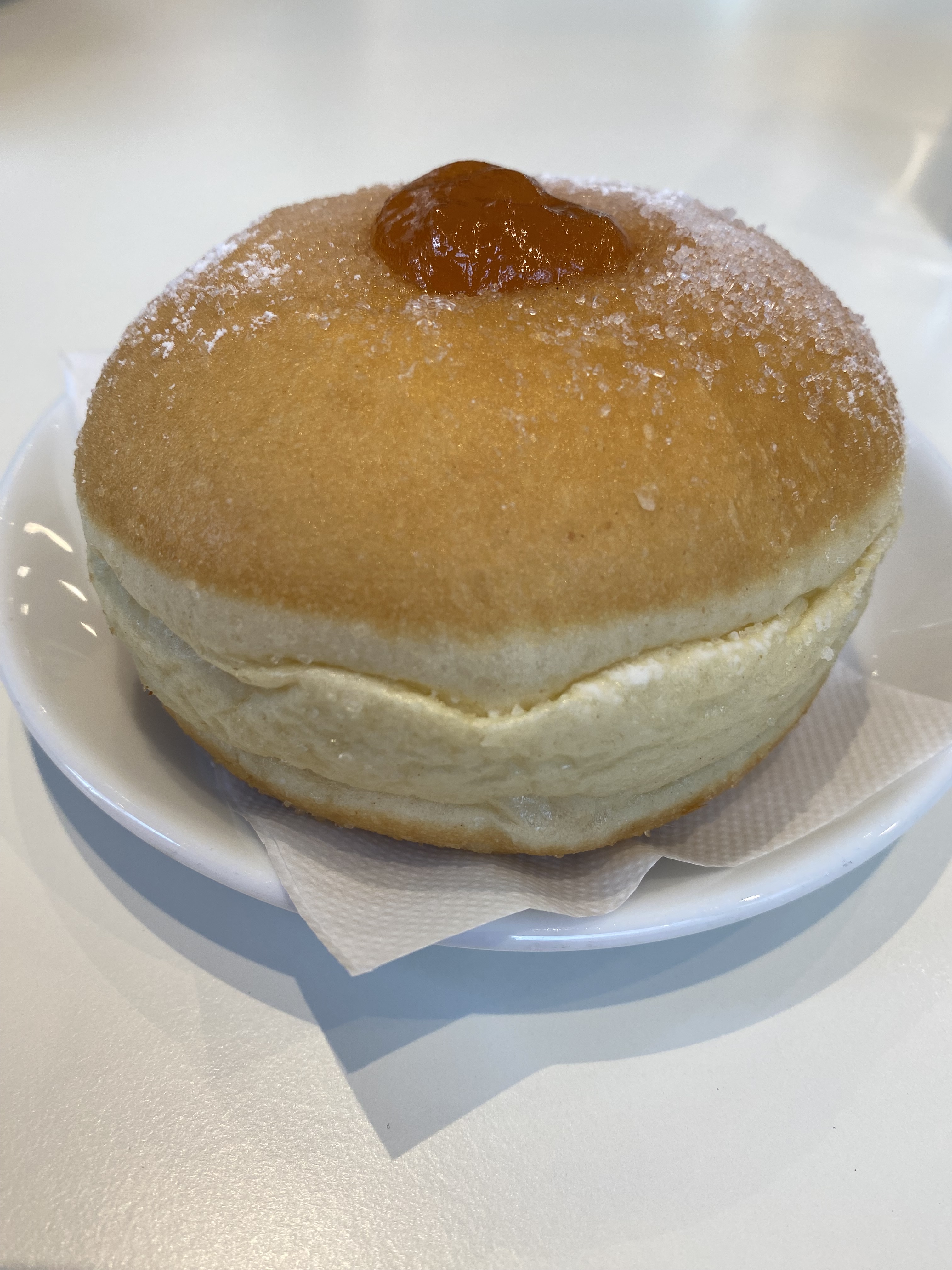
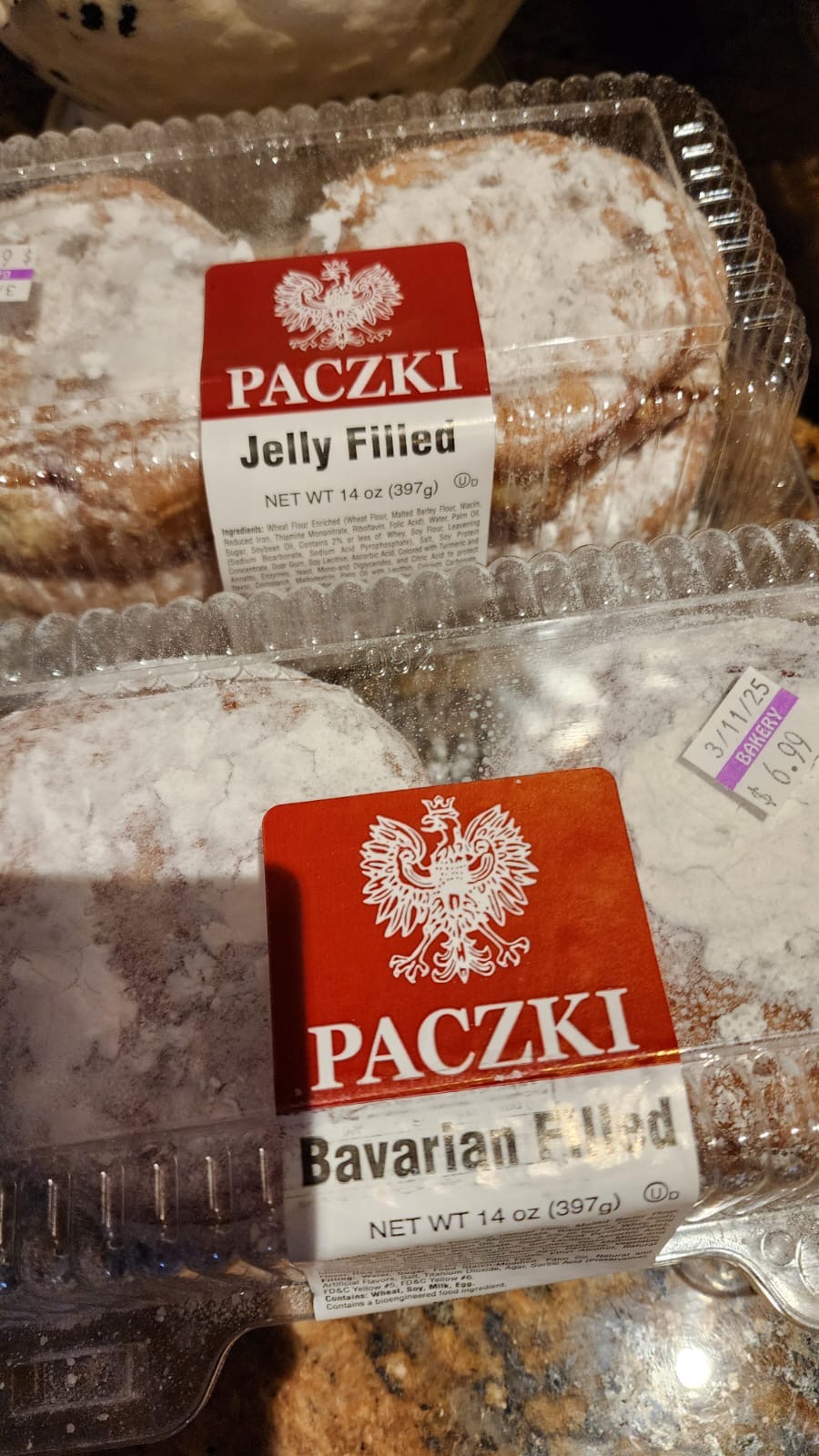
Today some of the typical fried foods during Carnival season include: German Austrian and South Tirolean Krapfen and Polish Paczki, which both are jam or cream filled doughnuts; North Italian fried sugar coated dough squares or ribbons or rhombuses, called either Grostoli or Bugie or Chiacchere or Frappe; South Tyrolean apple fritters, called Apfelkiachln; French Crepes and cream filled puff pastry called Beignets, American Louisiana New Orleans’ Beignets and American Pennsylvania Dutch Fastnachts.


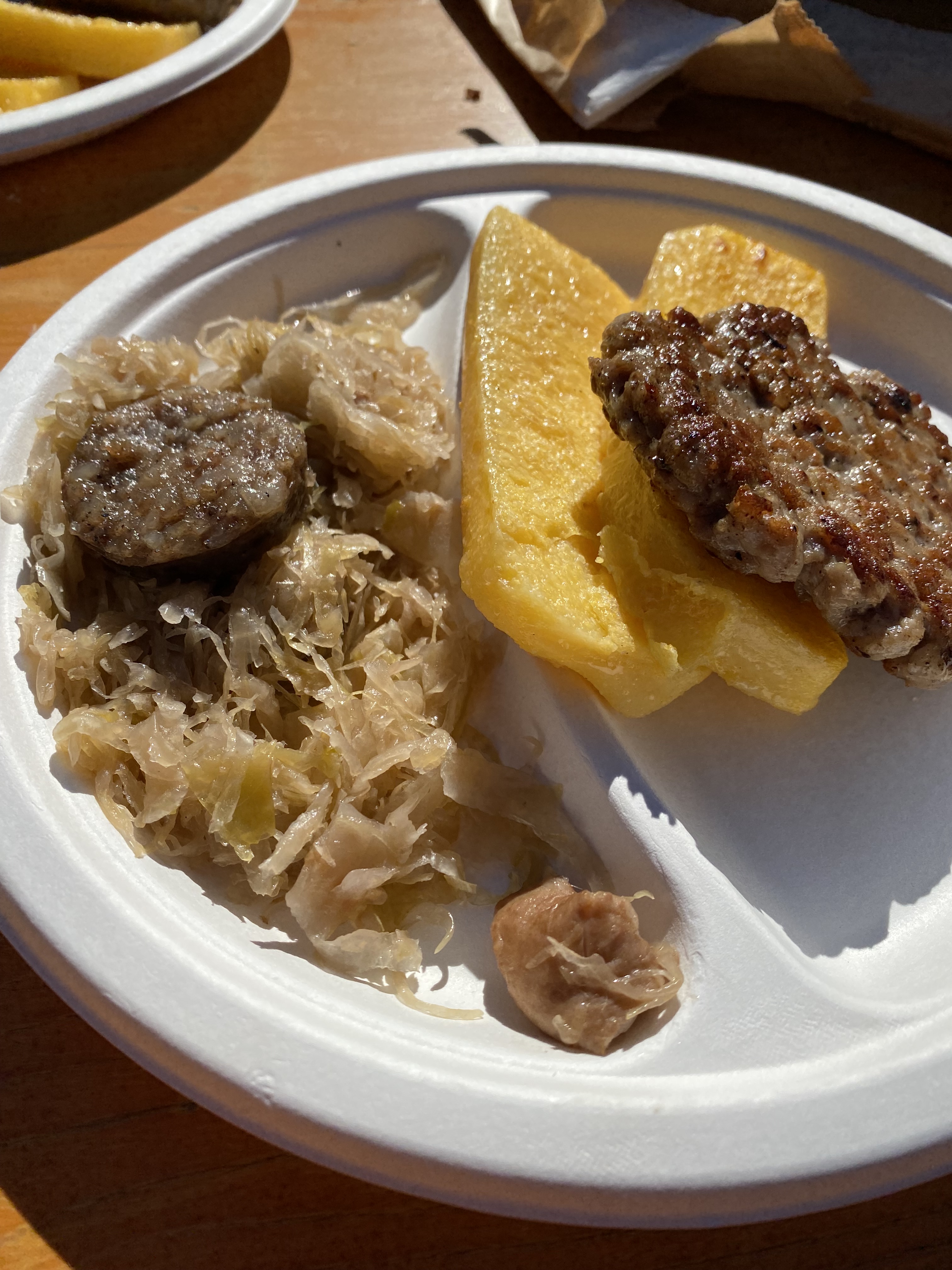
TYPICAL CARNIVAL REGIONAL FOODS IN NORTHERN ITALY INCLUDE: TRENTINO’S CRAUTI, COTECHINO, MORTANDELA AND POLENTA
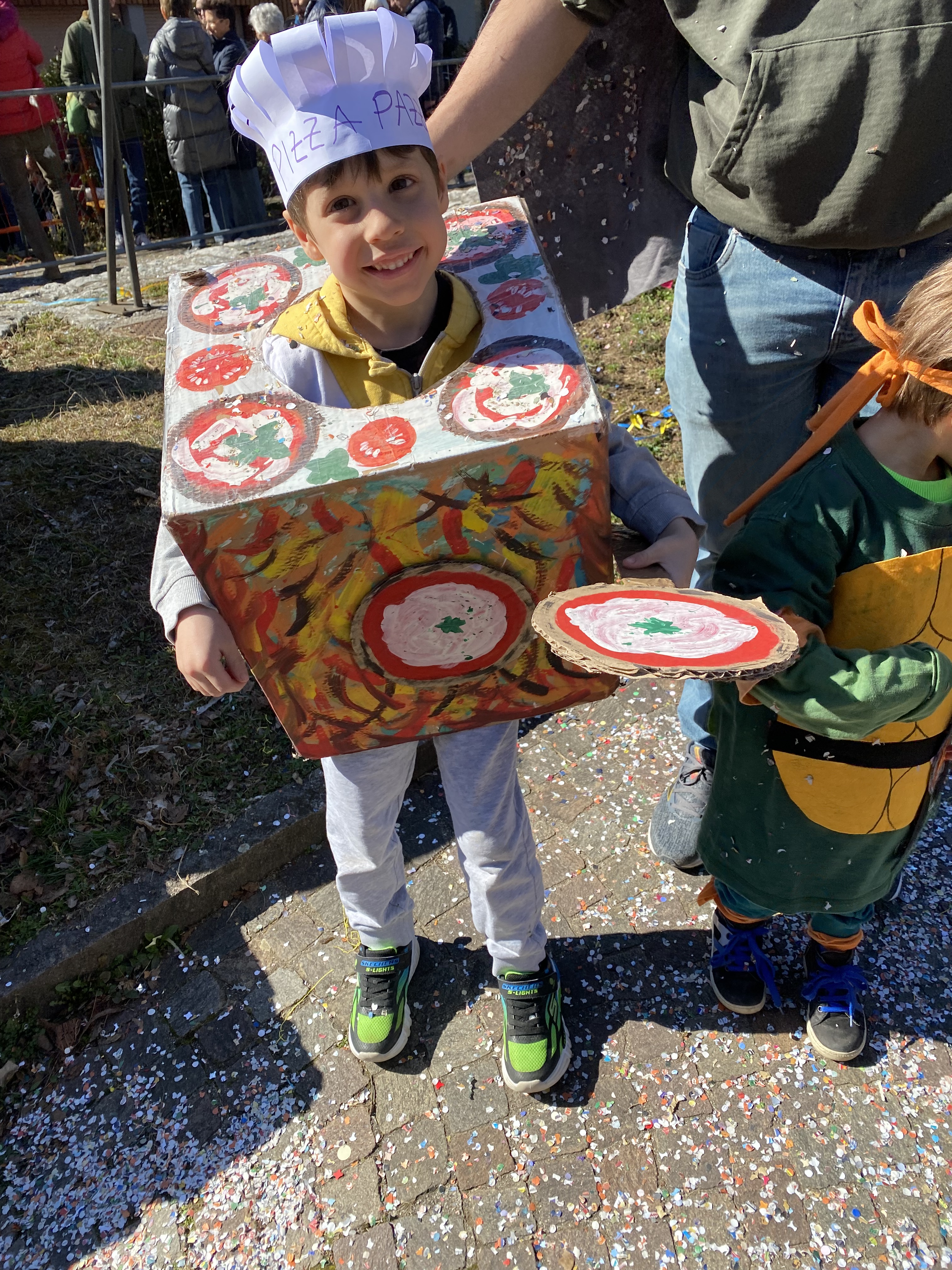
A dish of “crauti” (sauerkraut) with a slice of boiled “cotechino” sausage is almost a must during Carnevale festivities. A patty of fried “mortandela” is usually served with a side dish of yellow polenta mush. Pizzas are usually excluded from Carnival menus. Cotechino is originally from the region of Emilia Romagna. It is a fairly soft sausage encased in natural pork casing which requires a long cooking process. As it is made from left over pork meat, lard, pork rind and spices, cotechino is considered a fatty food for the poor. It is usually served with polenta, or mashed potatoes or lentils. And, mortandela…should not be mistaken with mortadella…please!!! Mortandela is the Trentino’s region’s typical smoked pork meat made from pork shoulder, belly, jowls and leg, may be also from the heart and the lungs of the animal. Shaped like a large meat loaf, mortandela is smoked, aged after being sprinkled with buckwheat or polenta flour and typically sliced, fried and served either with “crauti” or polenta.
WHERE TO FIND AND ORDER TRENTINO’S COTECHINO AND MORTANDELA: MACELLERIA MARSILLI since 1929, VIA GARIBALDI, 27 – 38068 ROVERETO, ITALY – Tel. +39 0464 421233 – Email: macelleriamarsilli@gmail.com

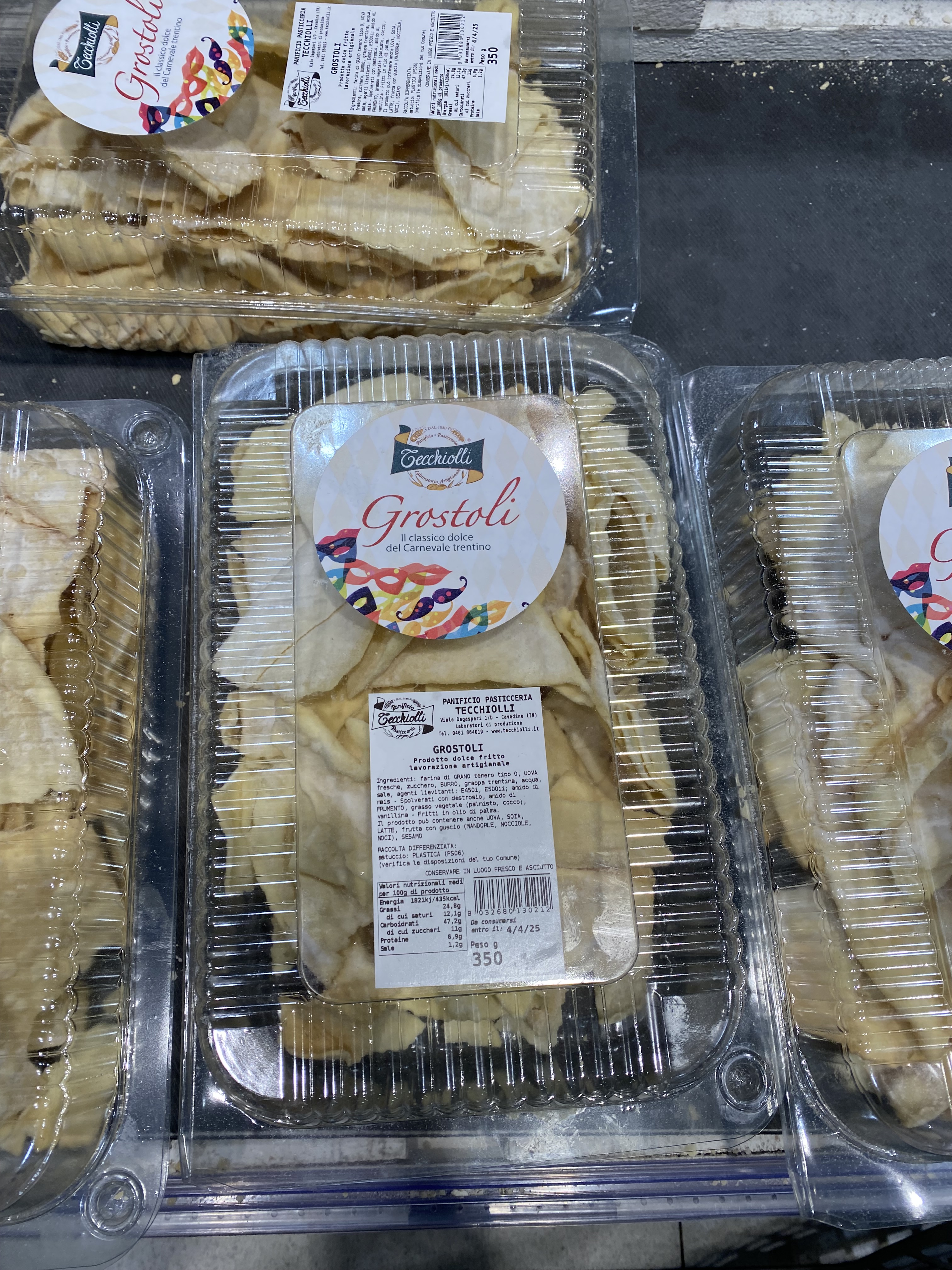
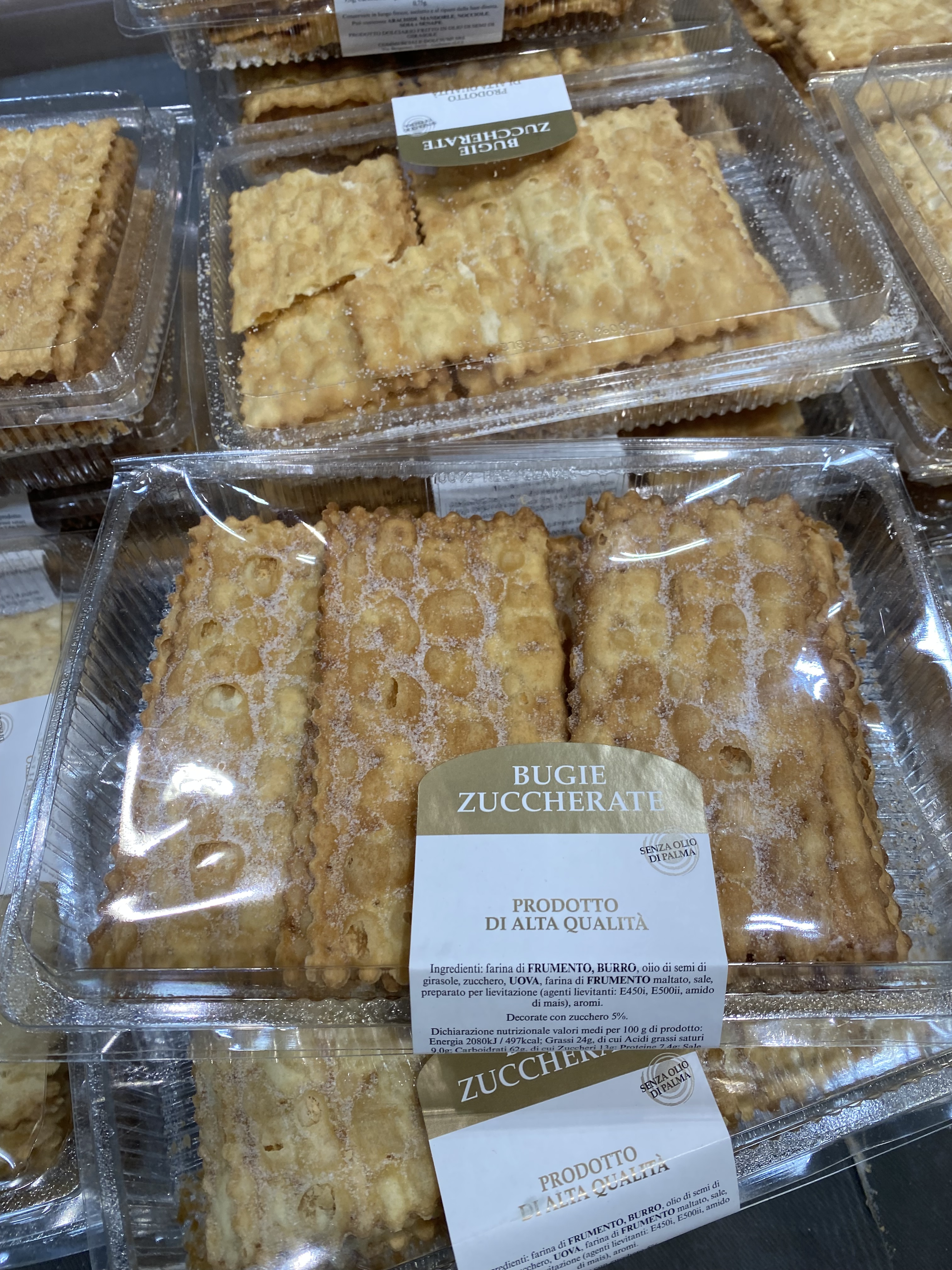
RECIPE: HOW TO PREPARE NORTHERN ITALIAN “CARNEVALE” FRIED DOUGH CALLED “GROSTOLI“
On a working surface or in a large mixing bowl, mix the content of an envelope of dry yeast (approx. 7 gr. or 1/4 oz. or about 2 tsp. ) with 400 gr. (about 2 cups) all purpose flour. Add and stir into the flour-yeast mixture, 2 whole beaten eggs, 30 gr. ( about 2 Tbsp.) softened butter, 1 shot of rum and about a 3/4 – 1 cup of milk as needed. Mix and knead all ingredients to a smooth and soft dough. Let the dough rest covered for about 30 minutes. On a floured working surface, with a rolling pin, roll out a large thin sheet of dough. With a sharp knife, cut the thin sheet of dough into rectangles or into rhombuses. In a large frying pan, with lots of very hot light olive oil, fry the dough sheets on both sides. Place them on a large plate lined with paper towels. Before serving the “Grostoli” sprinkle them with sugar to taste.
Note: Fried dough prepared during Italian Carnevale season can vary in name and shape. Grostoli is the term used in the region of Trentino; Bugie also called Chiacchere or Frappe are names used in the more southern regions of Italy such as Veneto or Liguria.
ABOUT AUSTRIAN GERMAN KRAPFEN, POLISH PACZKI, AND AMERICAN PENNSYLVANIA DUTCH FASTNACHTS
Both Austrian and German Krapfen are donuts. They are prepared with flour, sugar, and lard or butter. These donuts are filled with various types of sweet fillings but in the old days apricot jam was the filler of choice. Pennsylvania Dutch Fastnachts, also called Fosnot, Faschnacht, Fousnaught, or Fasnacht, are either square or round filled or empty doughnuts. They are prepared by Pennsylvania Dutch Americans. Fastnachts, prepared by the Pennsylvania Dutch, have names that originate from Germanic expressions: Fast (fasting) and Nacht (night). These American regional expressions refer to the days when the Germanic Dutch prepared the doughnuts before the religious mandatory Fasting Time coming Easter. Polish Paczki are also filled with various types of sweet creams or jams. They are also prepared with flour, sugar, lard, or butter.

AMERICAN BEEF DURING CARNIVAL SEASON?
Hard to imagine a North American Carnival season without American beef...In Jefferson, Maryland, not far from Pennsylvania Dutch region, there is HEMP’S MEATS. It is among the oldest family-run meat processing plant and butcher store in the Upper United States. This plant also delivers meat to the White House.
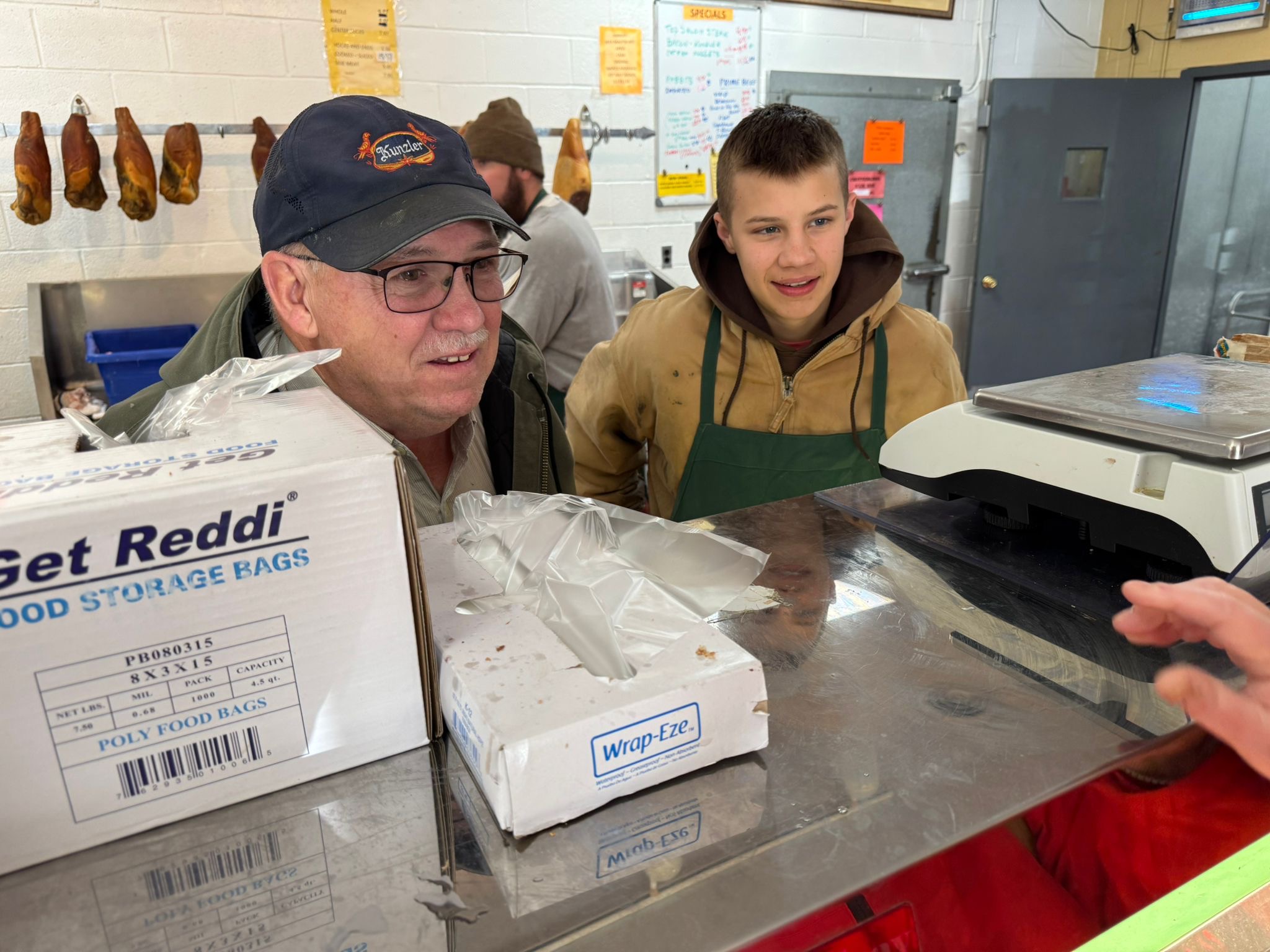
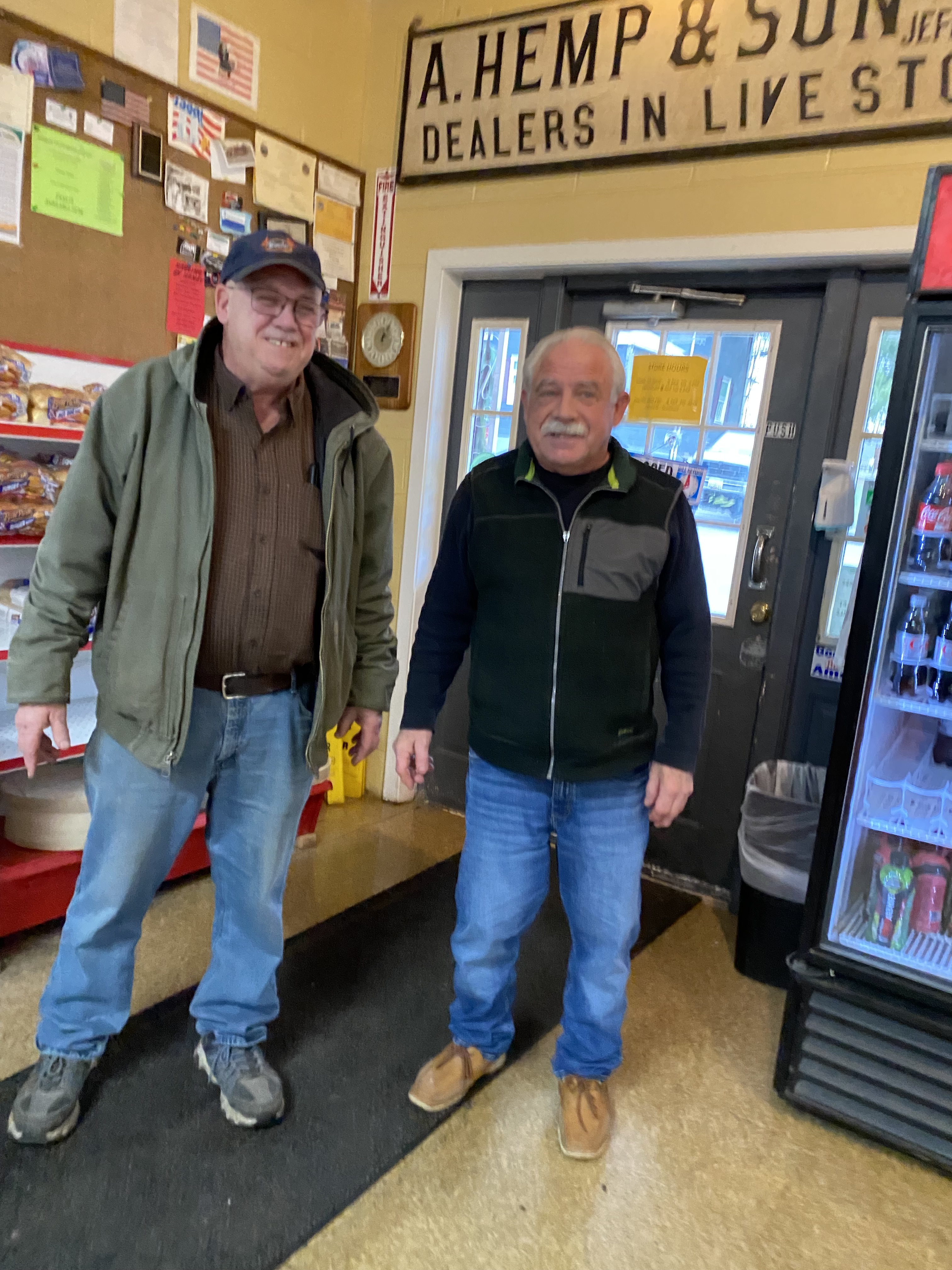
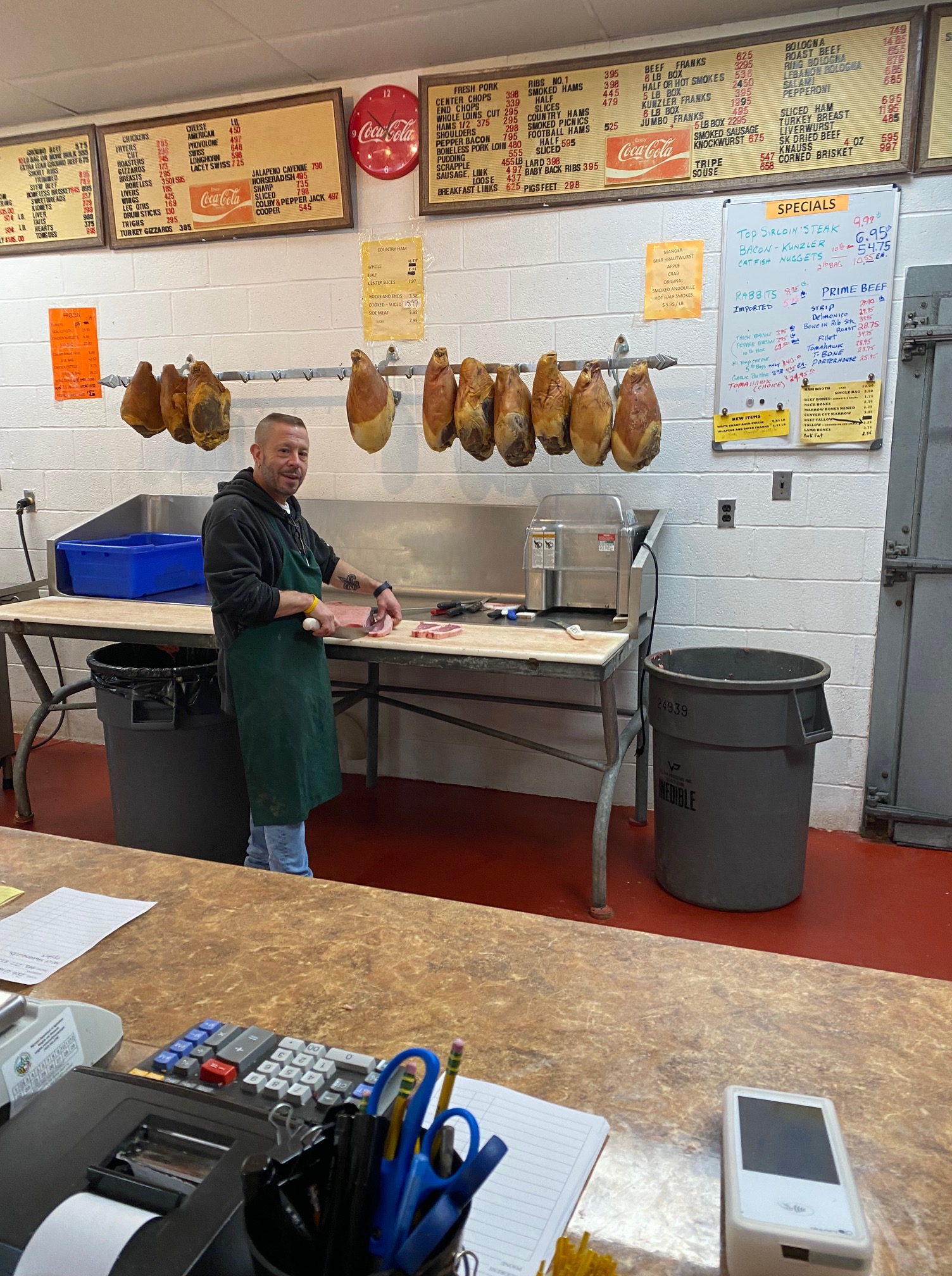
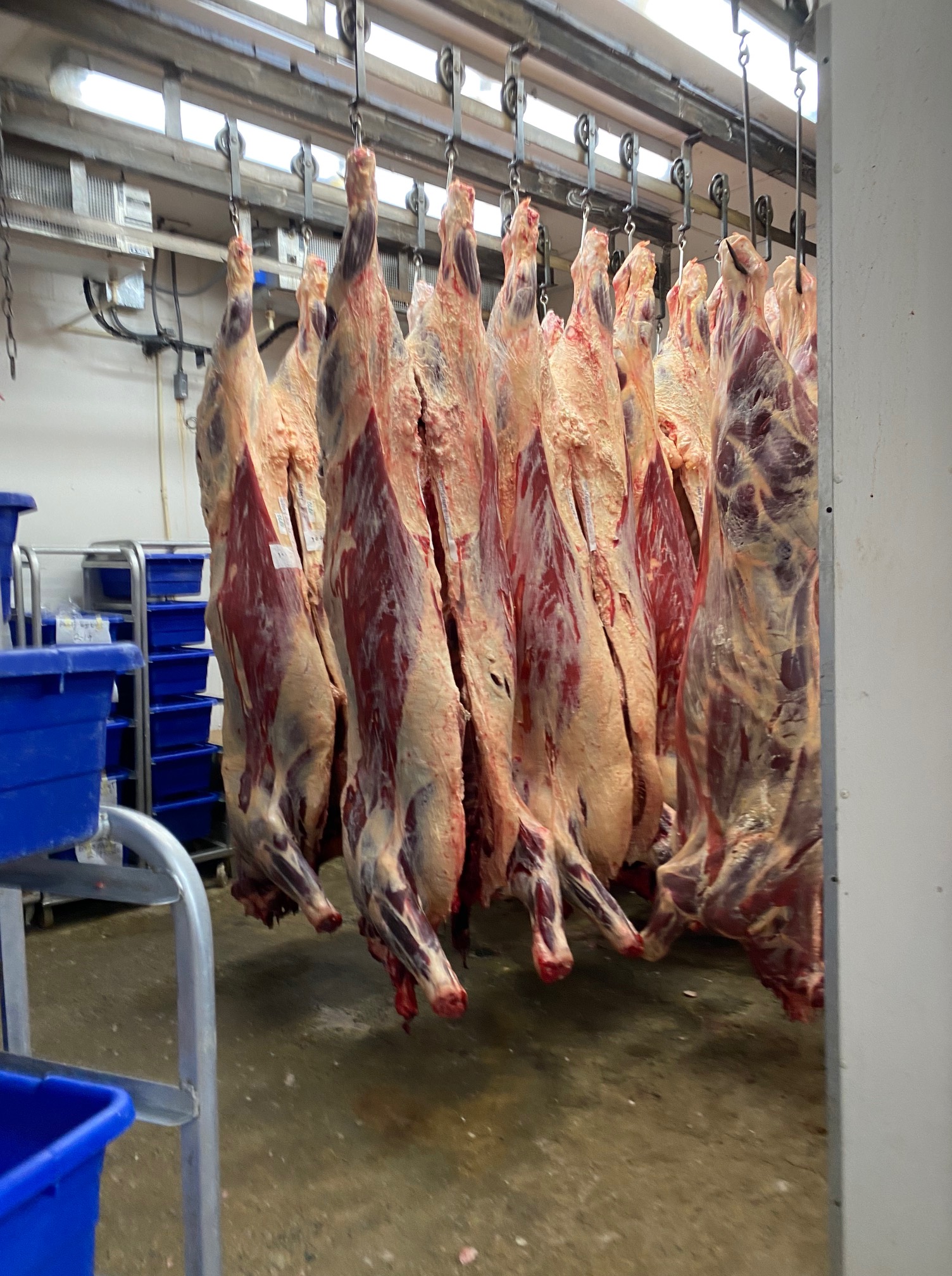
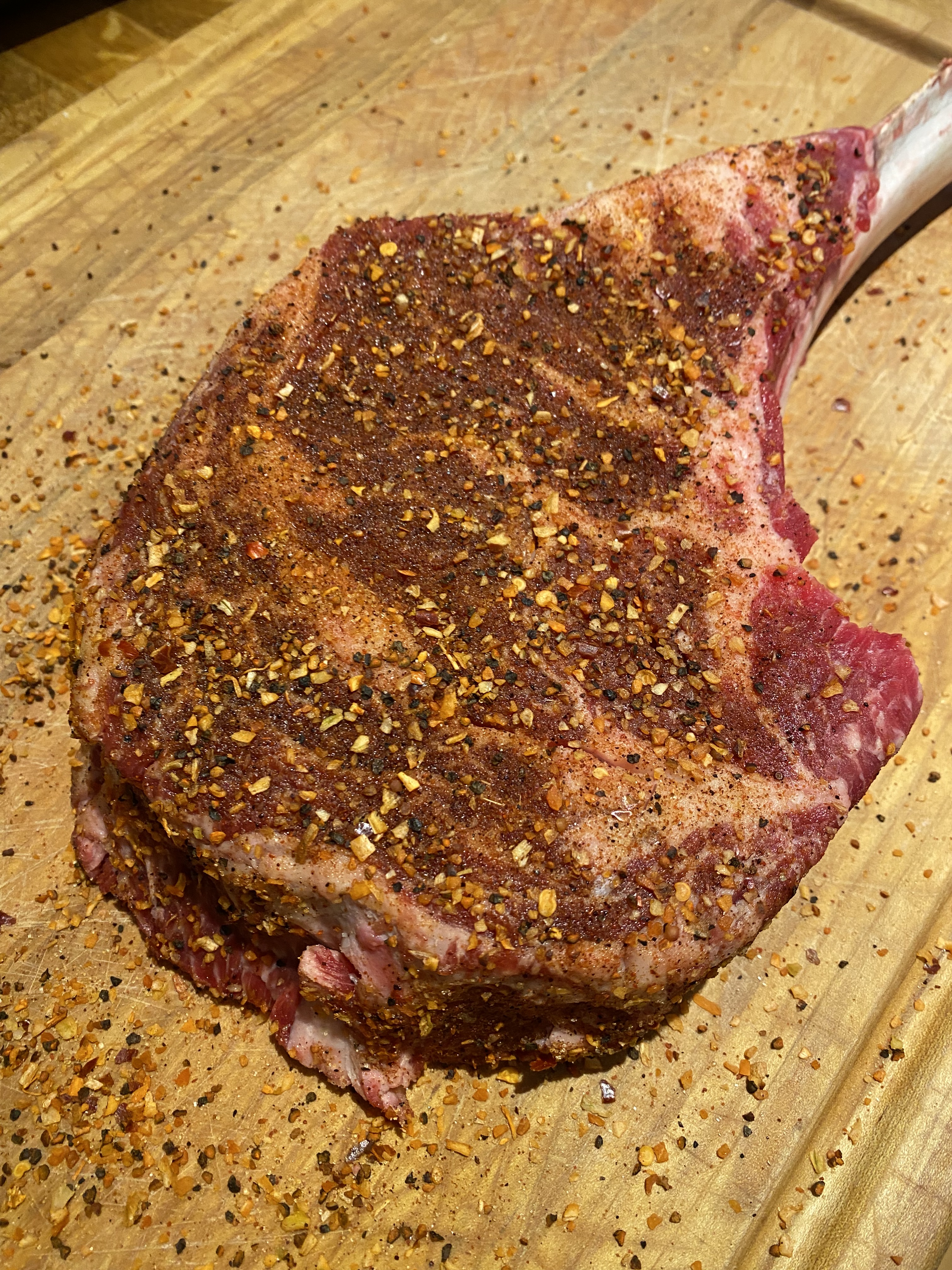


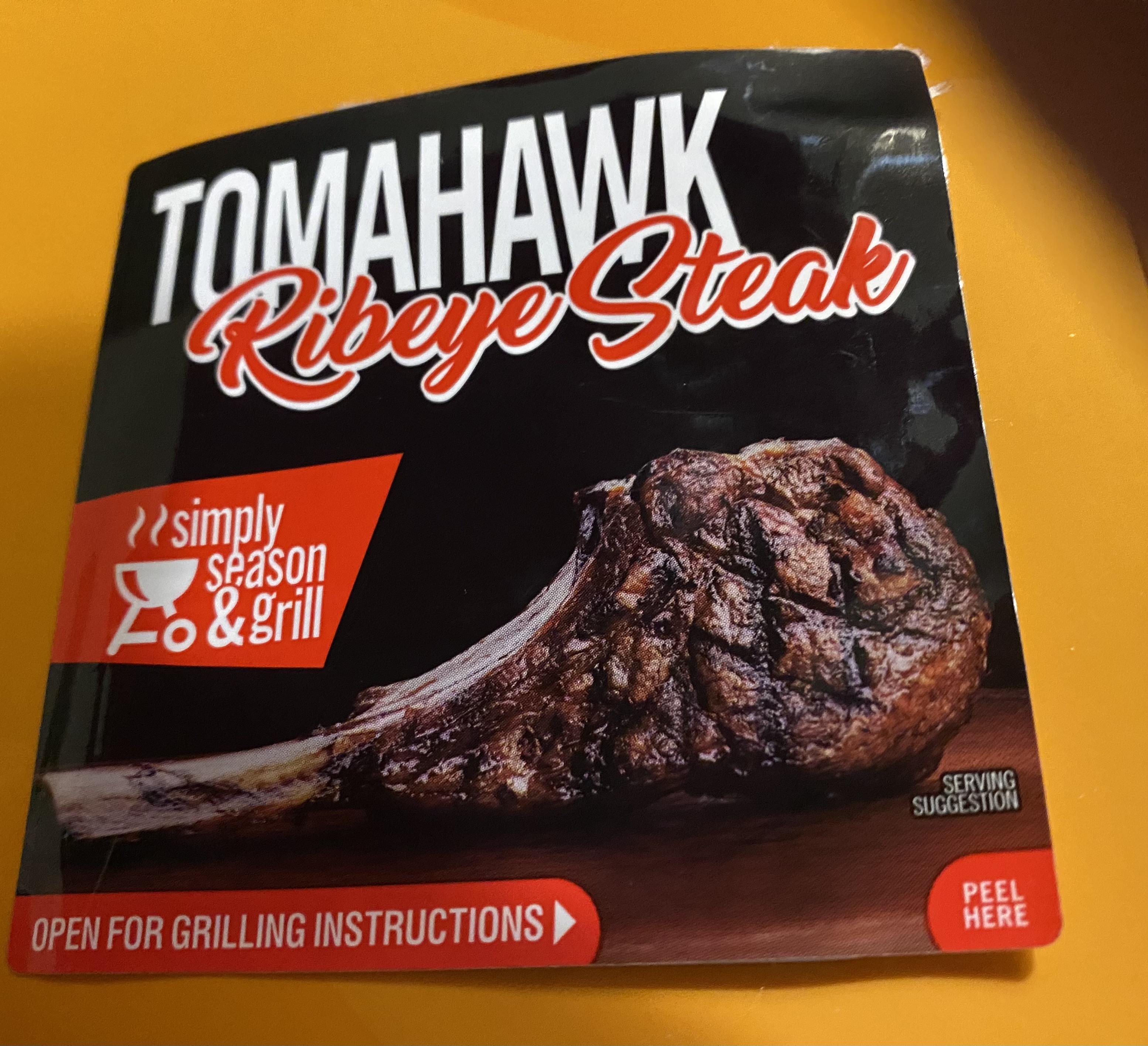
WHERE TO FIND AND ORDER EXCELLENT CUTS OF BEEF AND OTHER TYPES OF AMERICAN MEAT: HEMP’S MEATS – 3740 JEFFERSON PIKE, JEFFERSON, MARYLAND 21755, U.S.A. – Tel. +1 301 4735700
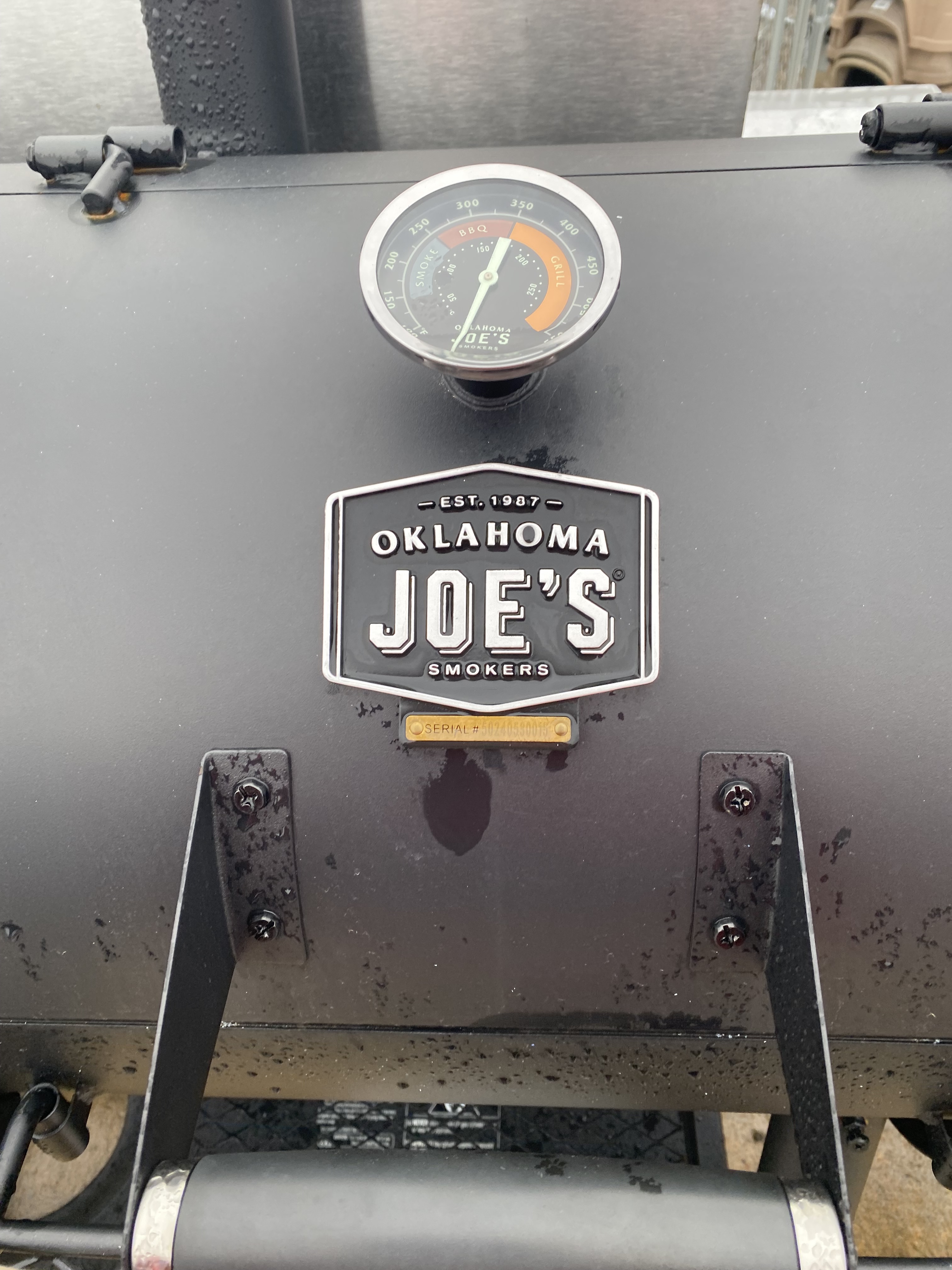
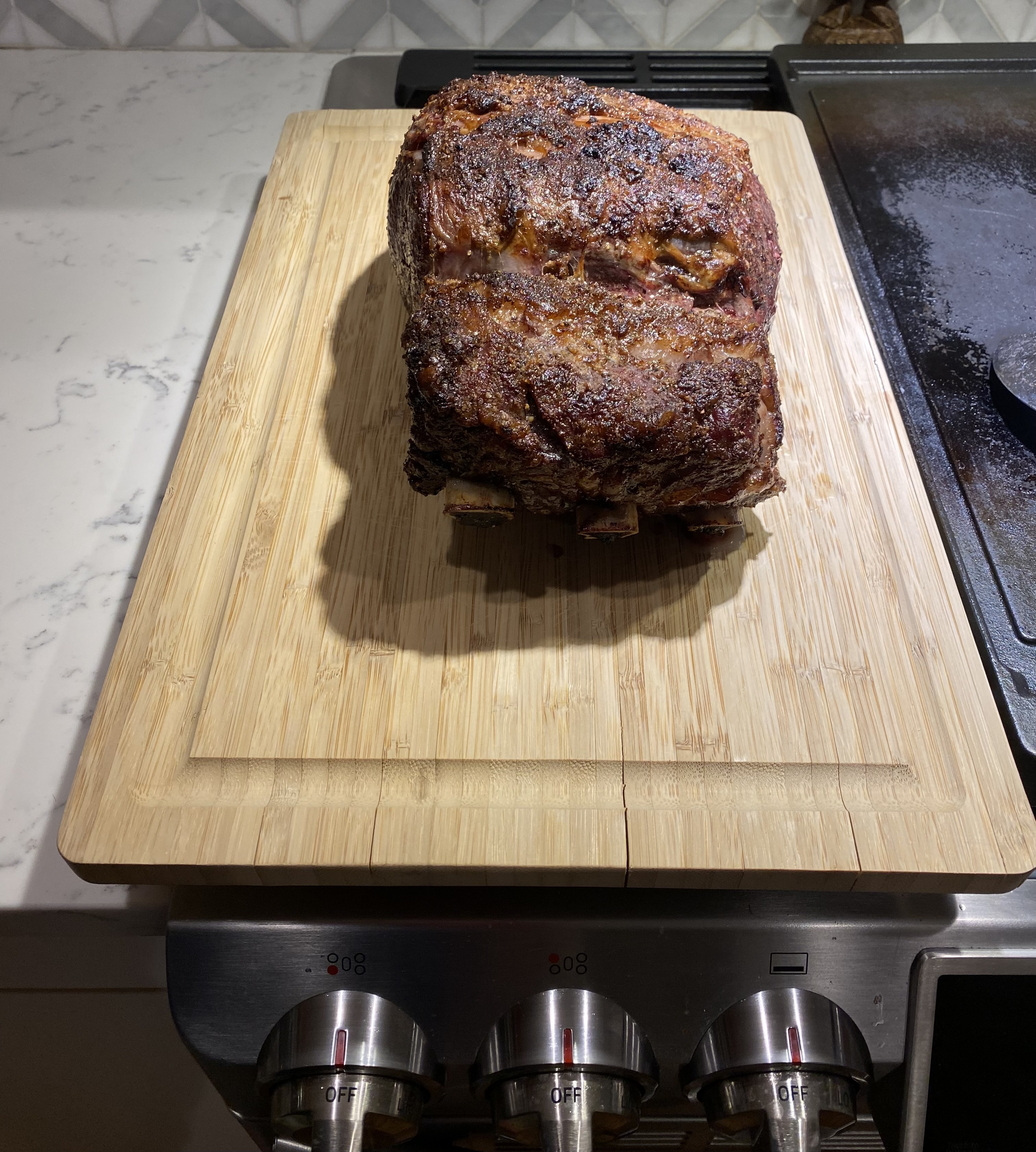

HOW TO PREPARE A TOMAHAWK RIBEYE STEAK ON A CHARCOAL GRILL OR ON A GAS GRILL
Prepare the grill for a two zone heat (direct and indirect). On the Charcoal Grill heat the charcoal on one side only; leave the other side empty. On the Gas Grill: One side direct hot heat; other side no heat (at approx. 250 – 275 degrees F (about 125-135 C). Season the steak with salt & pepper and whatever barbecue spice you like. Position the seasoned steak over the warm no heat side of the grill; flip the steak periodically to ensure an even cook until the center of the steak reached 110 degrees F (approximately 45 C). This will take approximately 45 minutes. Remove the steak. Cover it with foil and let it rest for about 10 minutes. While the steak is resting, increase the temperature on the direct hot heat side to reach 425 – 450 degrees (220 -235 C). If needed add more charcoal or increase the flame to high on the gas grill. Sear the steak over direct hot heat. Flip the steak every 2- 4 minutes until the desired doneness has been obtained. Remove the meat from the grill. Transfer it on a large platter and cover it with foil. Let the meat rest for extra 10 minutes. Slice it and serve it with mashed potatoes and steamed asparagus. Enjoy and cheers on me!
 CULINARY ROOTS & RECIPES™
Loving Hemps Meats!