

If you agree with me that: “We Are What We Eat…” (D.R. Gabaccia, 2000, Harvard University Press), who should we believe are those modern Calabrian Aspromonte “stocco” eaters who, after importing today the dried cod from the land of the Norsemen, soak it in fresh Aspromonte mountain spring water, sell it, distribute it, and prepare it especially in the city of Cittanova and in the township of Mammola? And why do the South Italian Calabrians so near the Mediterranean sea love that dried Nordic fish so much? The Norsemen brought it from Normandy first, and South Italians have kept it as a favorite protein dish.
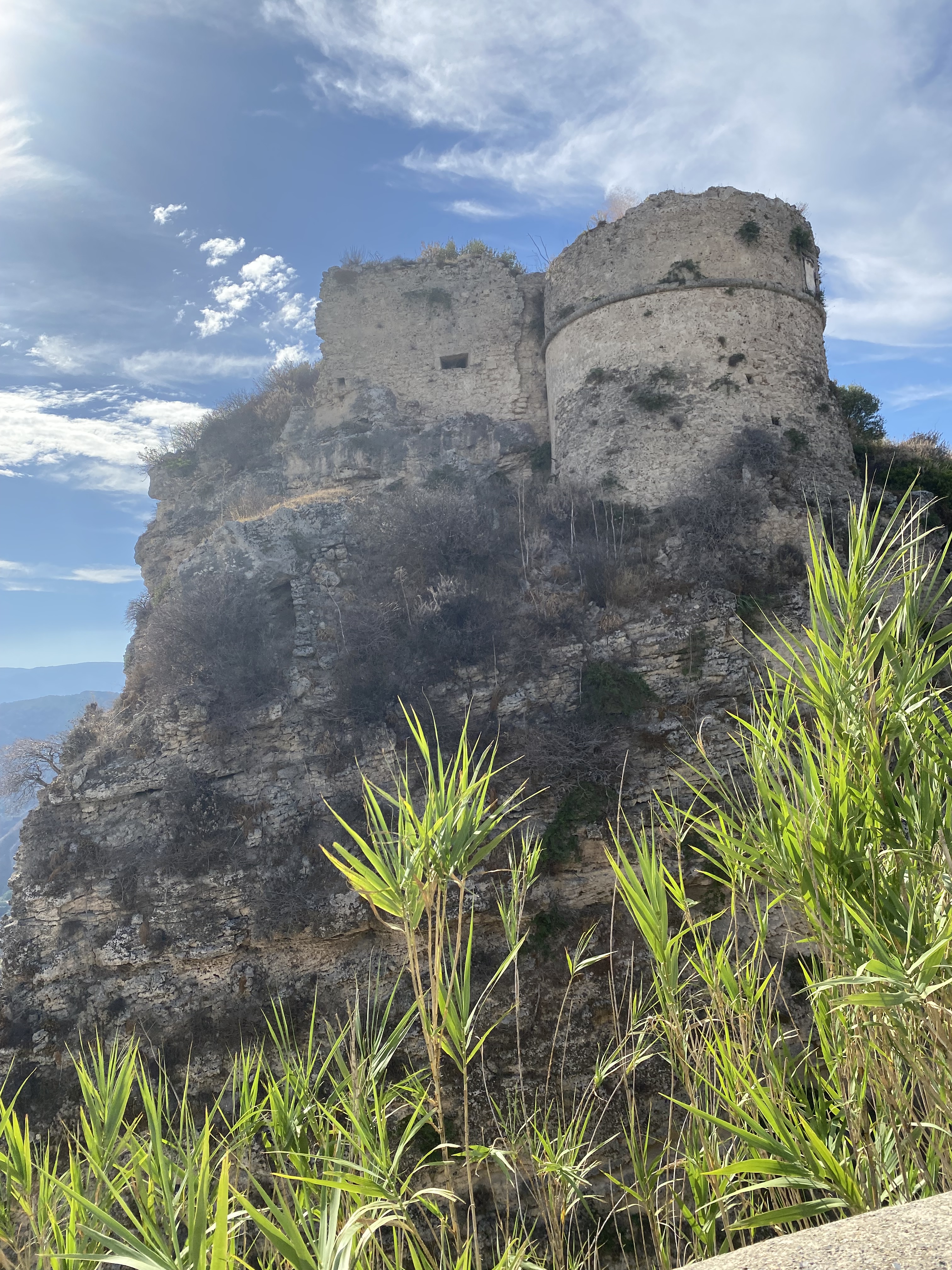
To find traces of the South Italian dried cod legacy, I spent some time in the Calabrian “stocco” region, where the brilliant midnight moon brought back memories of ancient Byzantine Greek and Norman conquests, of won and lost battles between Moors, Saracens, and Norsemen, who stayed and in time built stone castles, high up and overlooking harbors from where they left as Crusaders, in the name of Christianity, and who returned home from the Holy Land to the South of Italy.
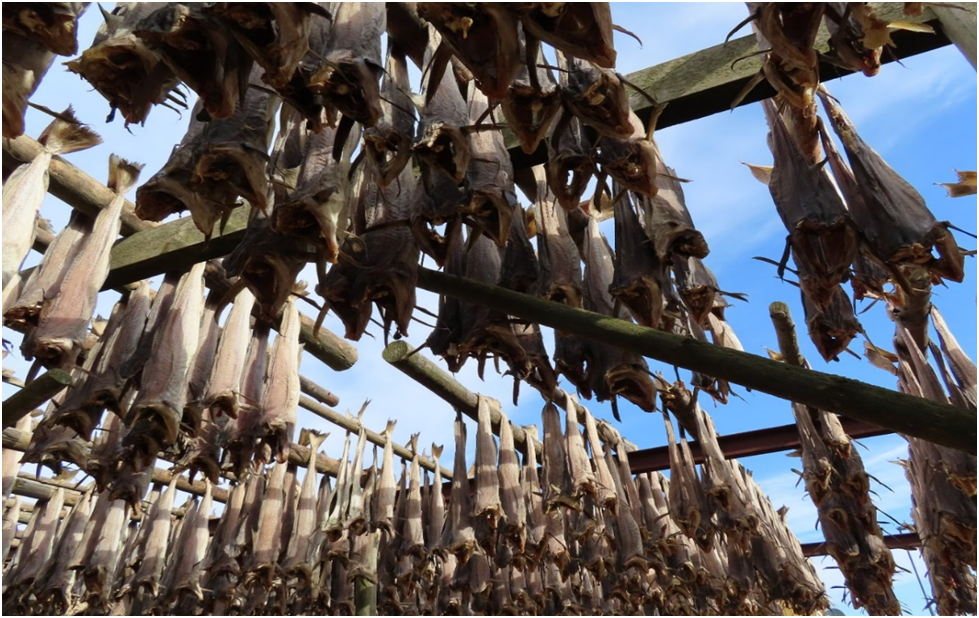
Dried cod was easy protein food to those early ancient Norsemen of Indo European origins, also called Vikings, who after 700 A.D. left their Northern icy harbors called “viks” on dragon headed ships, to explore, conquer, and settle lands which were not icy possibly more fertile. Dried cod, together with furs, fish blubber oil, mercenary fighting skills, and sometimes slaves, were those Norsemen’s merchandise in exchange of gold, swords, grains, spices, horses, Irish wives, integration and land rights. Dried cod was their staple food when they explored America before Christopher Columbus, when they settled modern Greenland and Iceland, when they entered Russia founding Kiev, Novgorod and Moscow, when they took over Great Britain and its islands, when they provided imperial guards in Turkey, and when they fought Muslims and South Italian barons for the Roman Popes. Dried cod, brought in from the North and Normandy, was to become in Calabria in time, not only nutritious food for the Norsemen but also for the Normans who came down South to serve as mercenaries, and for those who after them added it to the Calabrian cuisine.
To understand better the culinary identity of the modern South Italian “STOCCO eaters”, especially in and around Cittanova and Mammola, I tried also to explore Calabria’s history, before and after 800 A.D., when the forefathers, enemies and allies of Frederick II of Hohenstaufen, SPLENDOR MUNDI (1194-1250), King of Sicily, King of Italy and Germany, son of the last Norman Queen Costanza (Altavilla Hauteville) and of the German Emperor Henry VI Hohenstaufen, impacted not only the international political and cultural arena with his blood and friendship ties but also the regional cuisine which opened to new exotic foods and spices through his multiethnic cooks and favorites.
CALABRIA’S CITTANOVA AND MAMMOLA
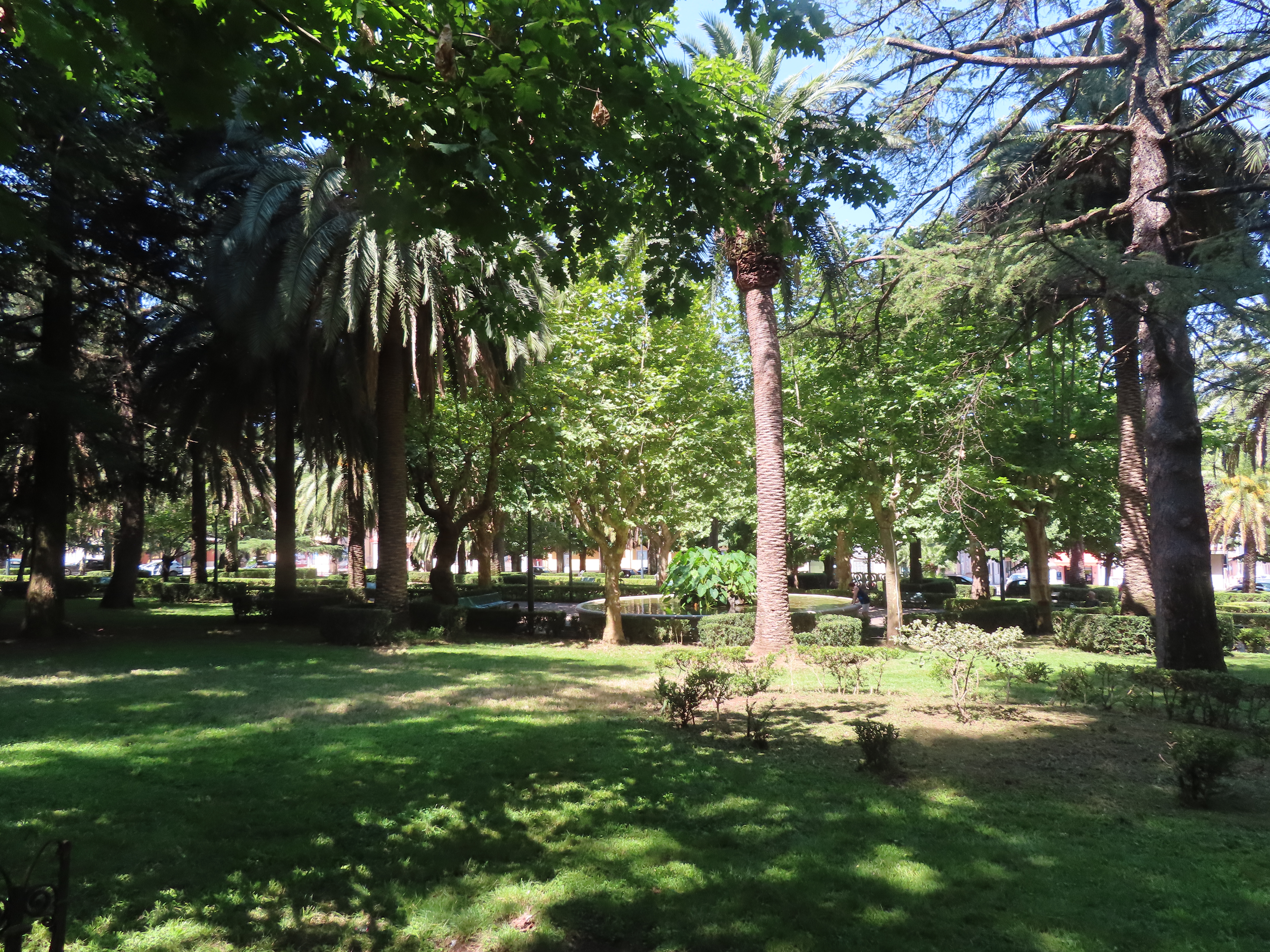
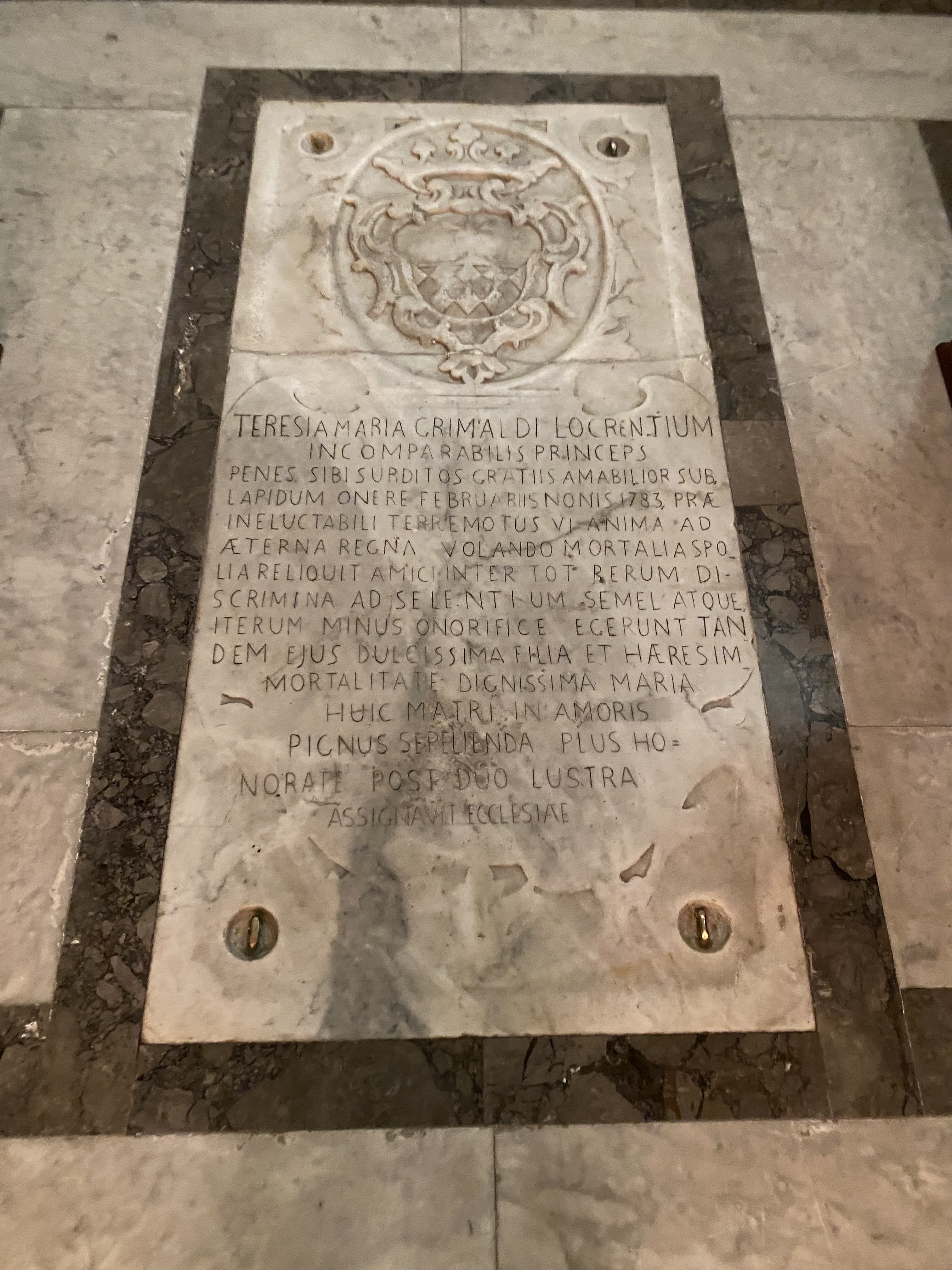
Set in the northern portion of the Calabrian region of the Aspromonte National Park, not far from where according to Greek Roman mythology, Greek hero Ulysses was almost devoured by the monster Scilla, are the cities of Cittanova and Mammola. The first city, today with a population of 9680 inhabitants, came to be around the XVII century, by the will and authority of the first Prince Gerolamo Grimaldi of Gerace, whose distant relatives, might be, or not, connected to the powerful Genoese family called Grimaldi who still today thrives the French Principality of Monaco.
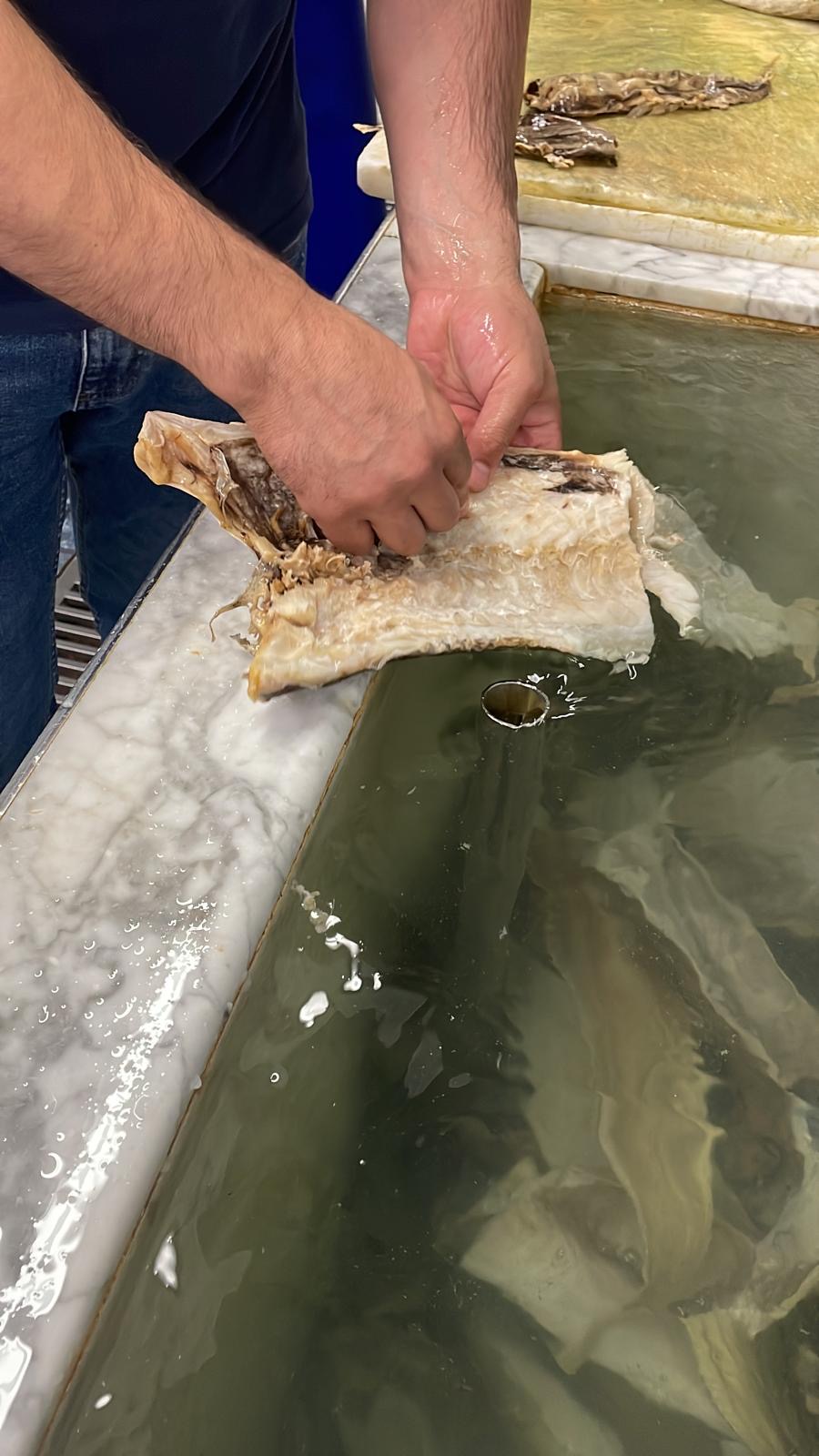
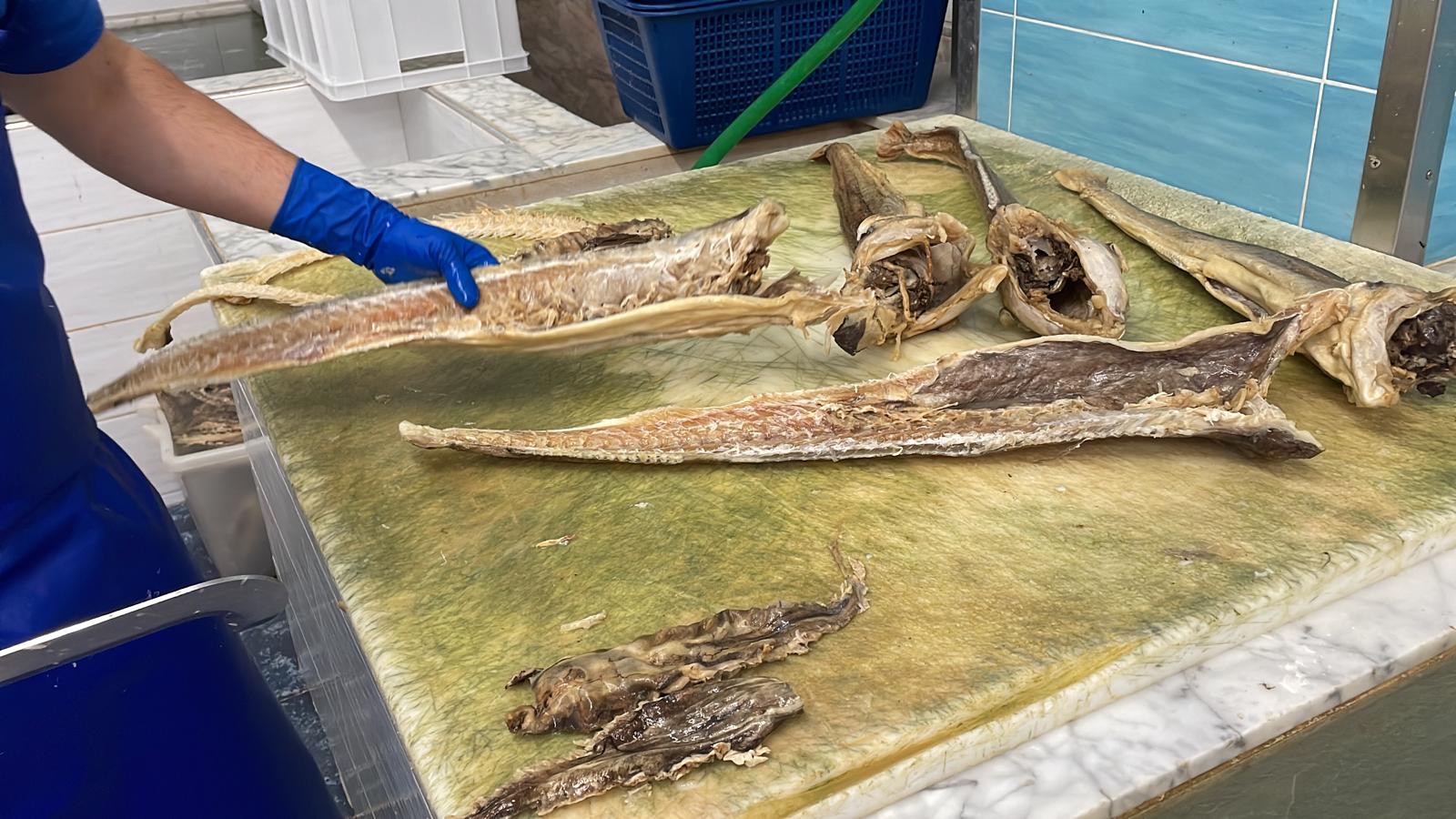
The second township, called Mammola, dating back to Roman Greek Byzantine times, in the IV century, rebuilt on the destroyed foundations of the Greek city of Melea after ancient battles, enemy raids and earthquakes, is today the peaceful home to 2494 Italian Calabrian inhabitants, who love and process dried “stocco,” celebrate with a dish called Suriaca left to cook in a pignata on an open fire, and still occasionally speak a historic multiethnic dialect, of may be Byzantine, or Arabic, or French Spanish origin. The place has become a commercially lively community, which serves regional distributors with imported dried cod, imported especially from Norway, soaked in fresh local Aspromonte spring water for the typical Calabrese “stocco“cuisine.

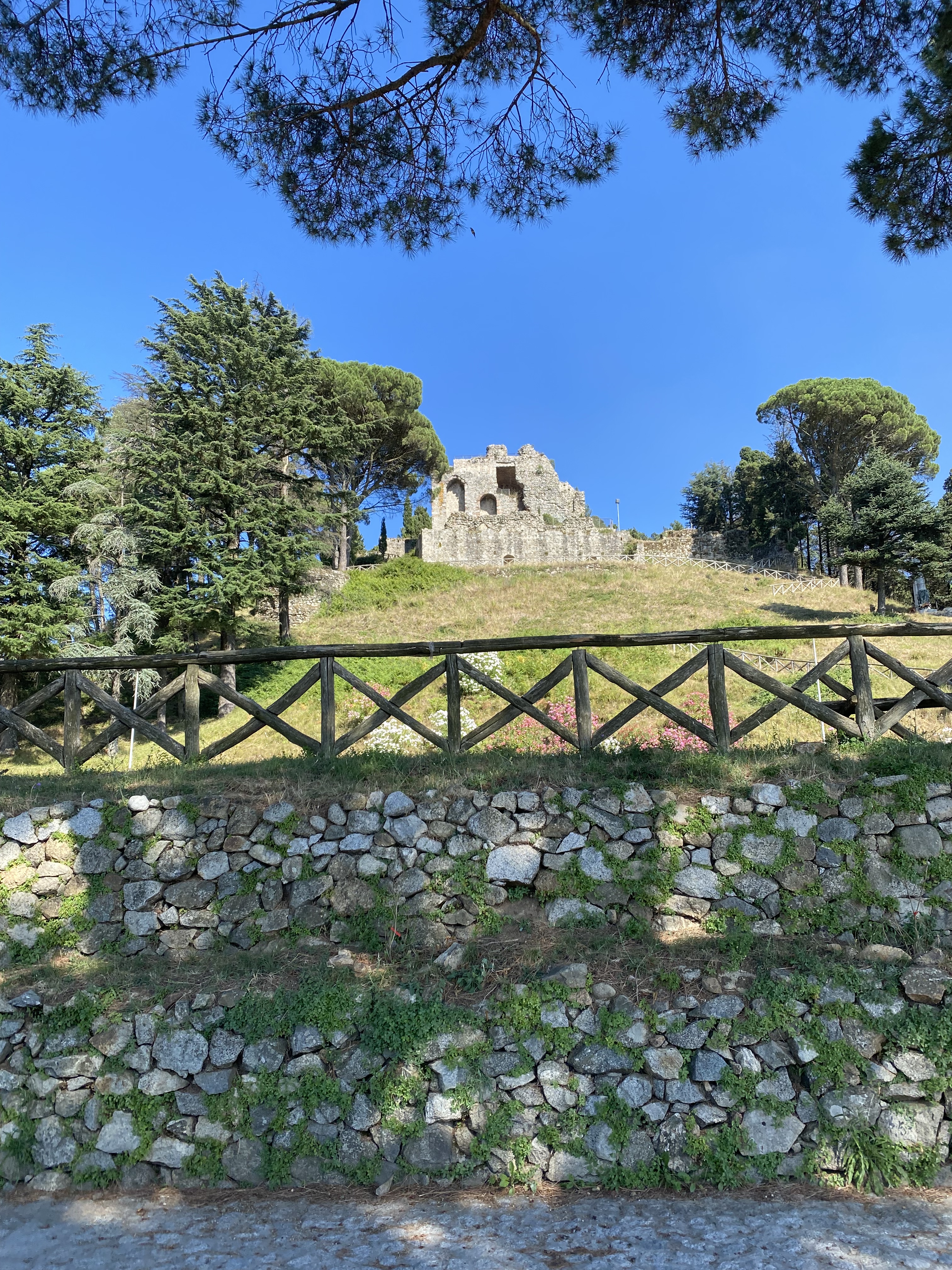
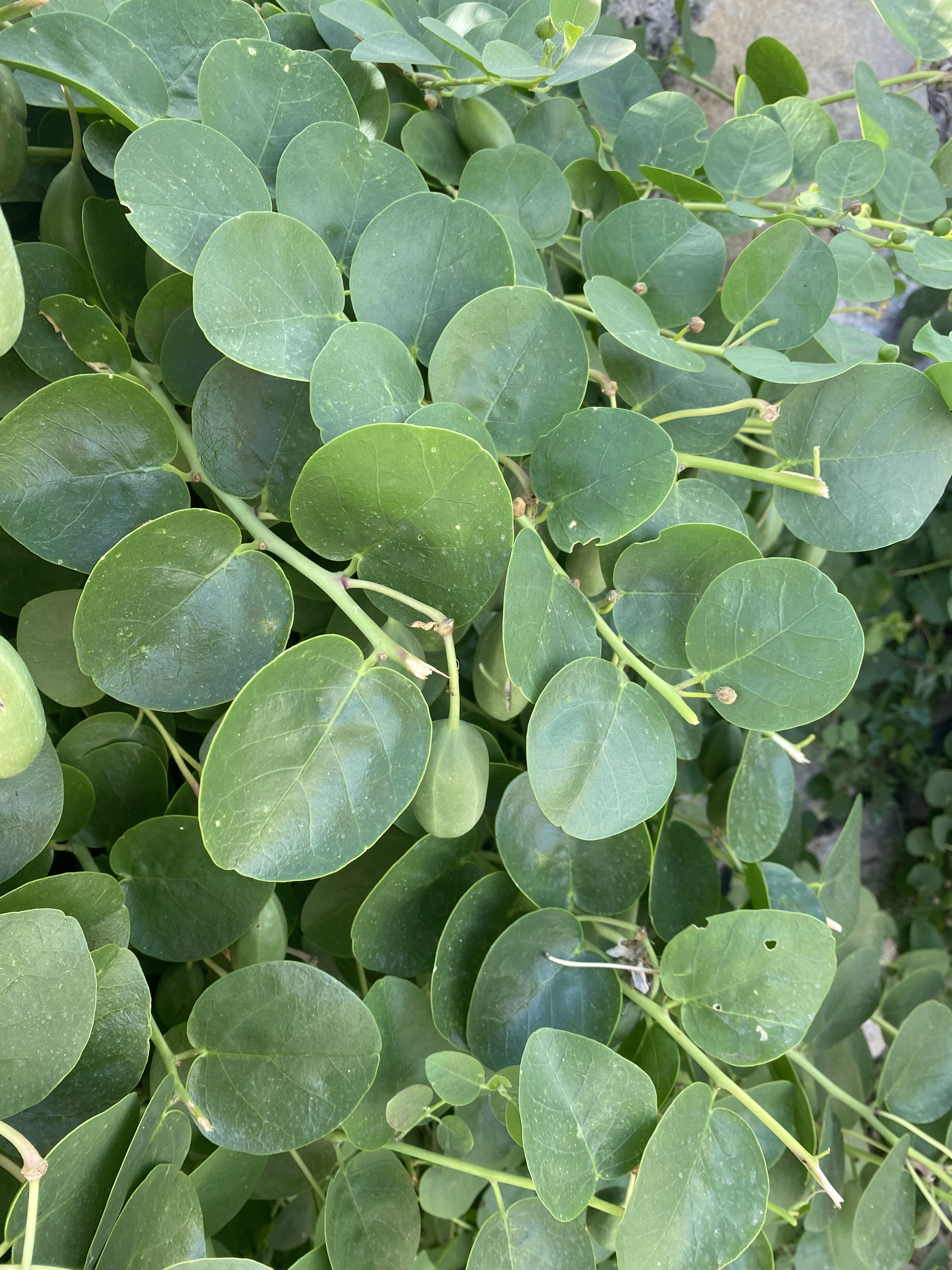
Since ancient times, Calabrian offspring of Greek, North African Arab, Norman, French, Spanish and Italian people, inhabitants of the region set between the Tyrrhenian and the Ionian sea coast, have set up communities, built fortifications and castles, fought and rejected intruders, absorbed classic and international cultures, developed a cuisine which includes the dried Nordic cod, they call “stocco” or “stoccafisso“, with dishes prepared with ancient and contemporary Greek Roman, North African, New World and Calabrian ingredients, such as olives and olive oil, capers, black-eyed beans, spicy peppers, tomatoes, potatoes, and bergamot oranges.


MORE ON COD OF THE GADUS FISH FAMILY – FRESH, FROZEN, DRIED OR SALT COD?
Three are the most popular species of cod fish known in the world and in Italian Calabria:
The cod of the Pacific Ocean called Gadus macrocephalus; a fish with a large head caught especially throughout the Yellow Sea, the region of the Bering Strait, and the waters of the western Pacific Ocean of the United States as far as California.
The cod of the Artic Ocean called Gadus ogac; a fish found in the ice-cold waters around Greenland and throughout the artic waters.
The cod of the American Atlantic Ocean called Gadus morhua; a fish caught along the North American coast, from the state of New England up to the Canadian Labrador, to be found swimming also along the coast of Greenland, Ireland, and along the European Nordic coasts, especially throughout the Northern, Norwegian and the Barents Sea where based on the fishing season it is also called Skrej or Skrey and if dried Torrfisk
Gray and greenish of color with reddish-chestnut brown spots and dots, Gadus morhua is the most popular cod, predominantly sold, either fresh, or frozen, or dried (stocco), or “butterflied” and preserved in layers of salt (“merluzzo sotto sale” or “baccala”). A voracious fish with a whitish line along its body with a broom shaped tail, three dorsal and two anal fins which in various coastal regions of the American Atlantic Ocean is also known as: “pine tree cod” (Maine), “George fish” (Georges Banks between Canada and Massachusetts), “bank cod”, “clam cod”, “black biter”, “scrod” (when the fish is of medium size), “herring cod”, “worm cod” and “pasture school” (because the fish swims in groups).
A white fleshed fish with a barbel under its chin, that is about 2 meters long when fully grown, weighs in average about 65 kilos (143-144 lbs) and is made of 90% fat free protein. A fish easy to catch because it prefers living near the coasts in proximity of deep waters and is gregarious and constantly feeding on mollusks and small live fish food so it can grow, lay eggs and multiply. A fish which is lean because it swims long distances based on the seasons or where to find the best food.
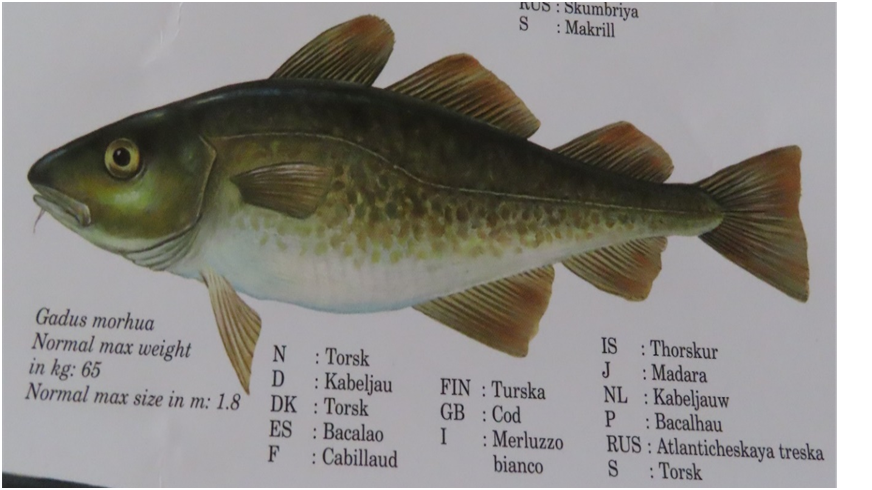
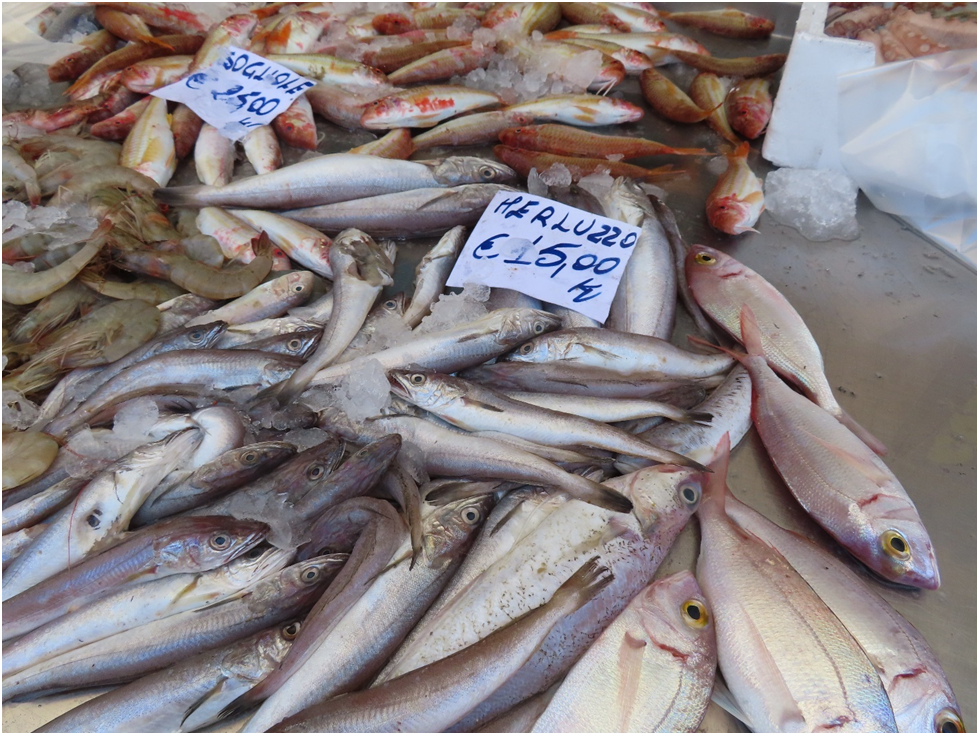
MERLUZZO ALSO CALLED NASELLO – MERLUCCIUS VULGARIS OR MERLUCCIUS MERLUCCIUS – NOT THE NORDIC COLD WATER COD OF THE GADUS FISH FAMILY
Throughout the Mediterranean Sea, since early Roman times, South Italian fishermen were used to catch a salt water fish, similar to the lake pike, which they were used to call either merluzzo or nasello because its elongated body and pointy “nose.” That Mediterranean fish was smaller but similar to the lake pike called luccio. When in the XVIII century Swedish biologist Carl von Linne published first his Latin based nomenclature of all known organisms, merluzzo, also called nasello, was listed scientifically as Merluccius vulgaris or Merluccius merluccius, the lake pike as Esox lucius, and the cod like fish were classified as belonging to the Gadus fish family. While old consumers’ habits were hard to die, the vernacular Italian name of merluzzo, associated with the smaller Mediterranean salt water fish somehow remained in culinary history and the Gadus morhua, which in time had become tradition on the Friday fish table of the land locked Northern Italian regions also became known as merluzzo (Fabris p.125-133; Palombi Santarelli p.179; Moietta p. 23, 97; Parisi p. 68).
ACCADEMIA DELLO STOCCAFISSO DI CALABRIA – CITTANOVA
The Accademia dello Stoccafisso di Calabria was founded by local and regional dried cod aficionados, restaurateurs, chefs, importers and power brokers in the Calabrian city of Cittanova in 2015. In 2023, during an International Meeting for Stockfish Heritage, the Accademia celebrated the Norwegian-Calabrian dried cod “STOCCO” connection, with various experts from throughout Italy, with UNESCO representatives, and with a Norwegian Slow Food delegation presenting the dried fish as a valuable and historic food, not only for Norway and Calabria but also for an international world. President of the Accademia is today Chef Enzo Cannata’ who over the years, at home and in various Calabrian resorts, has prepared and taught how to serve the various international and typical Calabrese “STOCCO” specialties. For the Calabrian Suriaca* con lo Stocco he recommends using the “ventresca” portion of the Norwegian dried cod soaked and rinsed over 12-14 days in Aspromonte‘s fresh spring water as the old folks have done in the region over centuries, and in the same way Mammola inhabitants like to do it still today. He shared the Suriaca*con lo Stocco recipe with Culinary Roots and Recipes.
CHEF ENZO’S SURIACA* CON LO STOCCO (A POOR MAN’S CLAY POT WITH STOCCO AND BEANS)
*Suriaca, also called Sujaca nta Pignata, is a slow cooking method in a heat resistant clay pot, called “pignata” in which soaked usually home grown beans are cooked on an open fire, together with water, herbs and or spices, garlic, oregano, olive oil and onions (preferably red Tropea onions) and other ingredient (in this recipe’s case it is “stocco“).
Serves 4 people
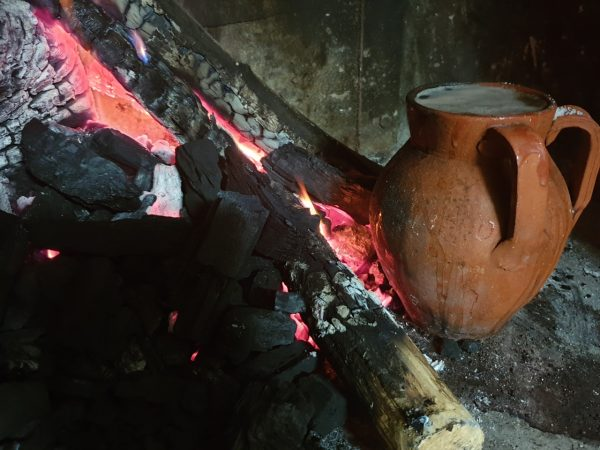
1 pound water soaked “stocco”(400 gr.), 2-3 cups (300 gr.) in water soaked Calabrian home grown “suriaca” beans (soaked in water at least overnight), half pound peeled tomatoes (200 gr.), half cup olive, one cup chopped red onion [peeled] (100 gr.), 8-9 cups fresh spring water water (2 liters), 1 clove garlic [peeled], a small bunch of fresh stemless parsley (20 gr.), salt and pepper to taste. In the “suriaca” pot on open fire cook the beans for about 4 hours, to the simmering beans, add the chopped onion and the garlic sautéed separately in the oil. Simmer for additional 2-3 hours and add the cut up “ventresca” of “stocco” and simmer for additional 10 minutes. Remove the “pignata” pot from the fire, allow the dish to cool off a little and serve over grilled slices of good Calabrian bread.
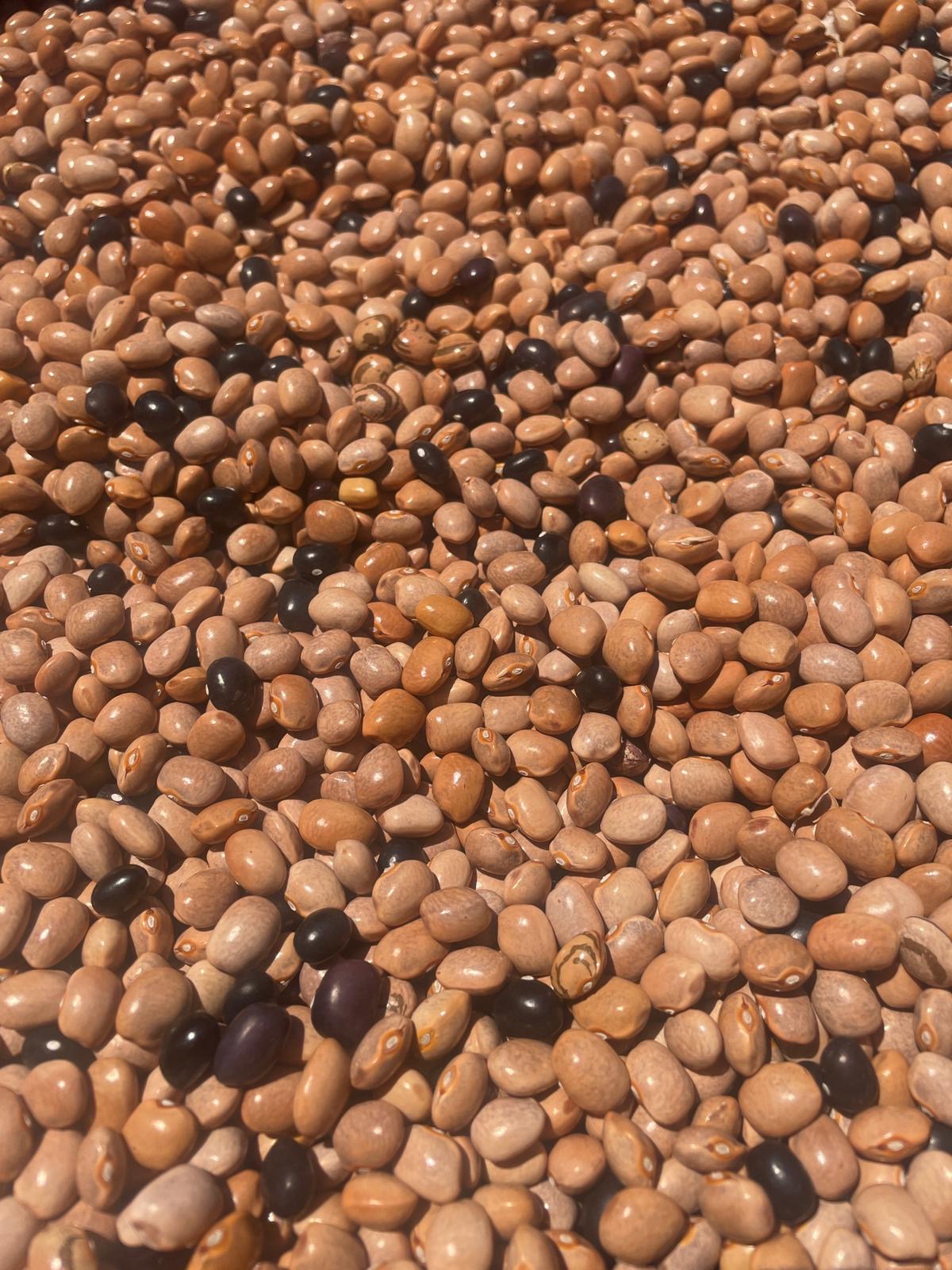
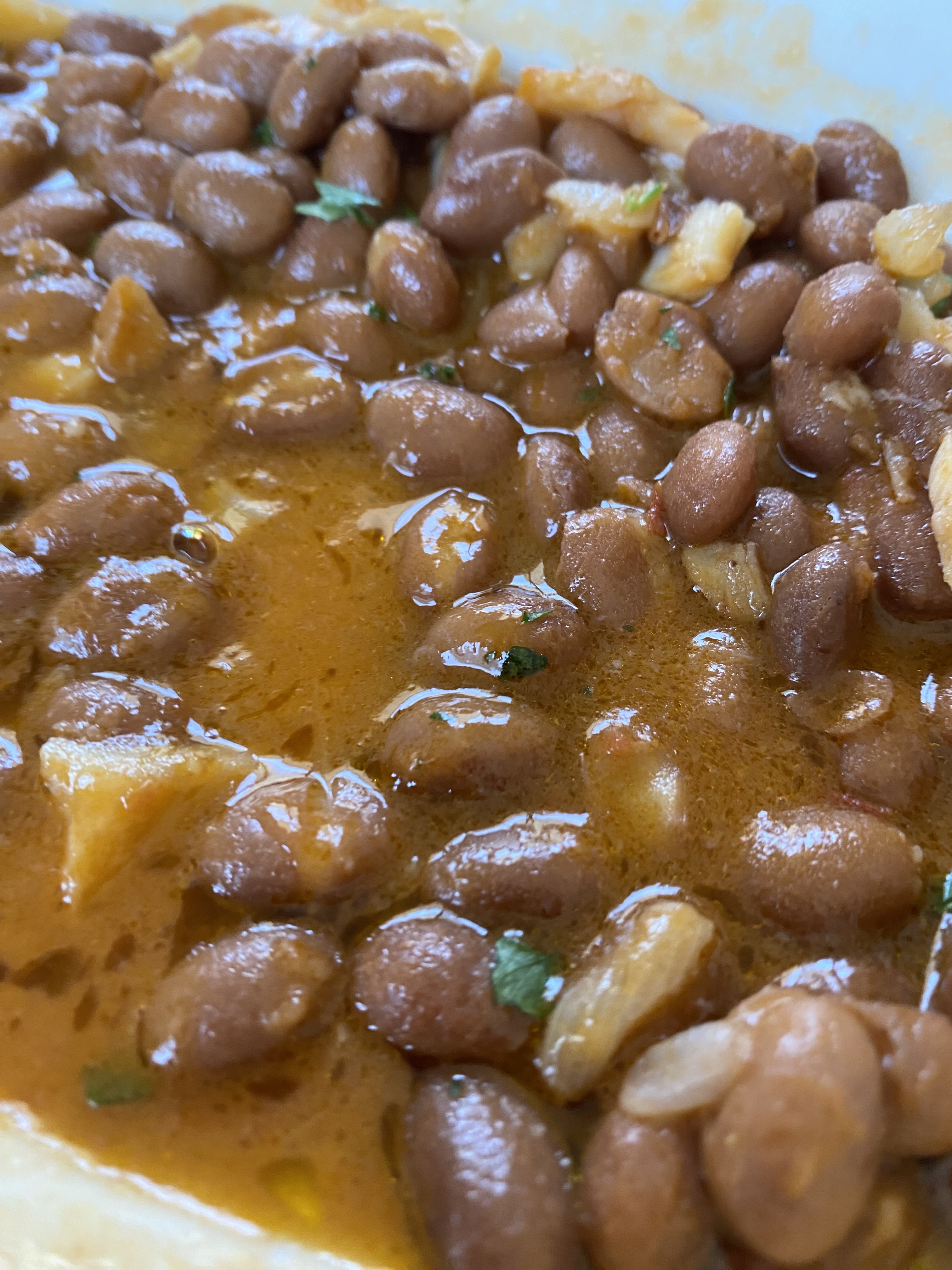

Over centuries, the Calabrese Suriaca* dish has been a farmer’s, or a poor man’s supper food, of uncertain probably Arab or North African origin, made with black eyed beans before the American beans reached the Old World with the Spaniards and later with home grown Calabrian beans. Today modern Calabrians prepare the dish, either with home grown beans or with the traditional black eyed beans, which during ancient times came from Africa before the discovery of the New World. Today, the specialty is also considered a festive traditional Calabrian Christmas Eve food prepared with the addition of broccoli and noodles.
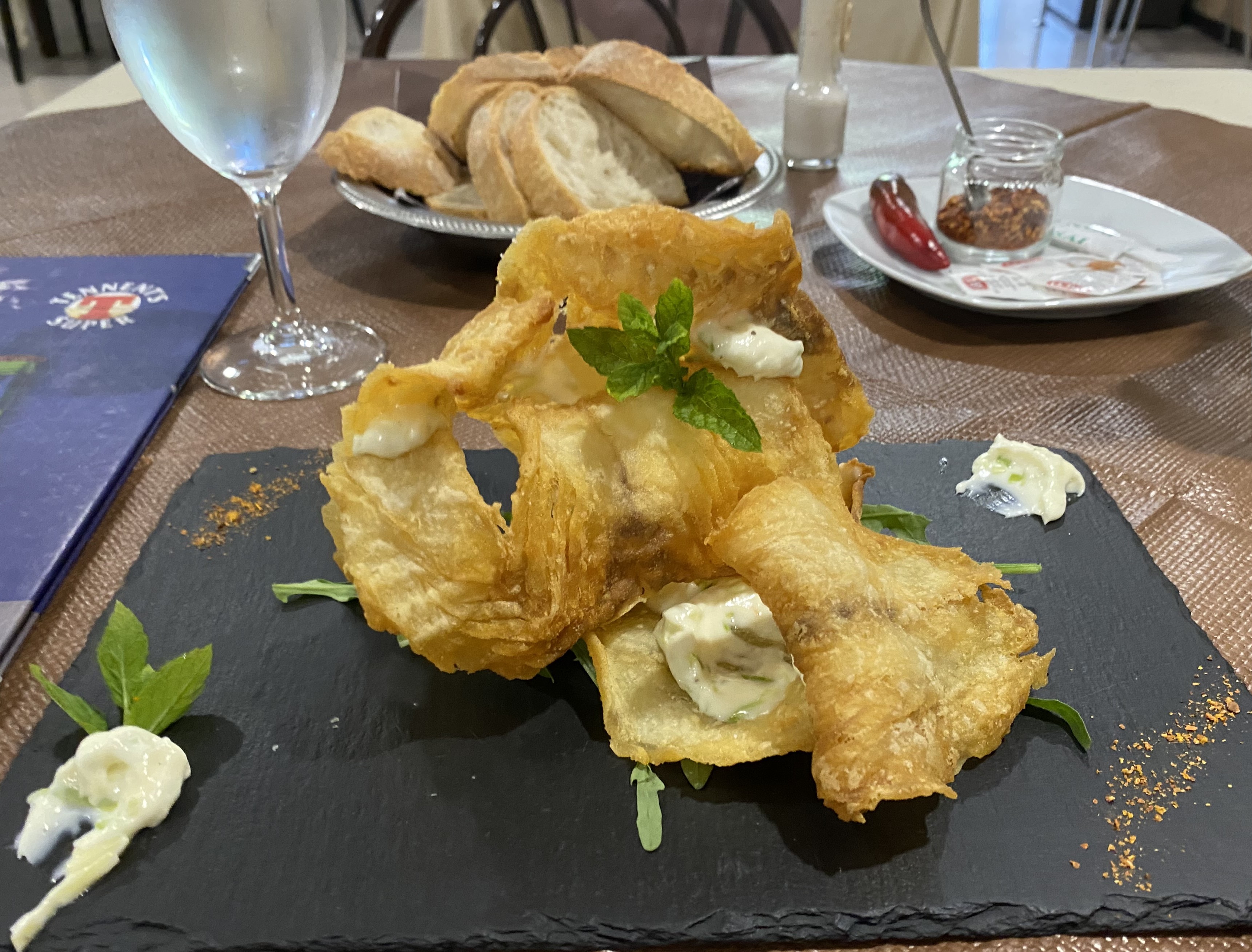
MILLEFOGLIE DI STOCCO CON CREMA DI STRACCHINO E ZUCCHINE (MEGNA’S VECCHIO MULINO’S STOCCO CHIPS)
One absolutely great “stocco” specialty, served by the Megna sisters at their Vecchio Mulino Restaurant in Cittanova, serves very thinly sliced cod slices, fried, crispy, that are way better than French fries and which look like large golden leaves and therefore are called “millefoglie” (translation: thousand leaves). At the restaurant and pizzeria, these “fried leaves” of stocco are served together with “stracchino” zucchine cream. Stracchino is a very soft Italian cheese which is especially loved by Italian kids; with a milky buttery taste similar to a cross between cream cheese and French rindless brie, it is made of cow’s milk and is spreadable.
Serves 4-6 people
2/3 of 1 pound water soaked filet of “stocco“, partially frozen and sliced very thin (about 400 gr.), enough oil to fry (preferably oil which can reach high temperatures for the frying process), 1-2 cups prepared stracchino zucchini ginger cream*, leaves of arugula to decorate and to taste, salt and spicy pepper flakes to taste.
How to prepare stracchino zucchini ginger cream:* Rinse and trim 1 small fresh raw green zucchini. Grate enough fresh ginger to obtain a tablespoon full. In a food processor, combine chopped zucchini, freshly grated ginger and stracchino and process; keep refrigerated until ready to serve. Serve this cream with crispy fried very thin slices of “stocco.“
WHERE TO EAT “STOCCO” IN CITTANOVA AND MAMMOLA
DA MEGNA, VECCHIO MULINO RESTAURANT AND PIZZERIA – Via Circonvallazione Est. 20, 89022 CITTANOVA (RC)- Tel. 0966 661933 or cell. 340 5510265 (closed on Tuesday)
IL CHIARO RESTAURANT – Via Mulino 60, 89045 Mammola (RC) – cell. 0964 351 9717884 (closed on Thursday)
WHERE TO STAY OVERNIGHT IN CITTANOVA (RC) IN CALABRIA
B & B LA VILLA – Via Vincenzo Zito 85, 89022 Cittanova (RC) – cell. 0966 347 2347099 (see also booking.com).
WHAT BOOKS TO READ ABOUT CALABRIA, THE HISTORY OF VIKINGS, TORRFISK, STOCCO AND COD:
OLD CALABRIA by Norman Douglas, 2015 Jefferson Publication (distributed by Dover Ltd. USA)
A HISTORY OF THE VIKINGS by J.D. Kendrick, 1930-2004, C. Scribner’S Sons and Dover Publications, Inc. Mineola, New York
THE PENGUIN HISTORICAL ATLAS OF THE VIKINGS by John Haywood, 1995, Penguin Books, London, England
COD A biography of the fish that changed the world by M. Kurlansky, 1997, Penguin Books, London, England
TORRFISK STOCCAFISSO by E. Johansen & I. Moe; 2000, Orkana – More than 70 recipes from all over the world described in Norwegian and Italian language.
I MISTERI DEL RAGNO – Documenti e ipotesi sulla storia del baccala’ by Otello Fabris, 2011, Biblioteca Internazionale La Vigna, Porta S. Croce 5, 36100 Vicenza, Italy; Tel 0444 543000
LA VIA ITALIANA DELLO STOCCAFISSO by the Accademia dello Stoccafisso and Trym Eidem Gundersen, B. Gambacorta, E. Cannata’, S. Montebianco Abenavoli, O. fabris, A. Longo, L. Montebianco Abenavoli, R. Previtera; edited by N. Cannata’; 2021 Edizioni Lyriks for Accademia dello Stoccafisso, Cittanova, Italy.
WHERE TO BUY “STOCCO” IN CITTANOVA AND MAMMOLA:
STOCCO & STOCCO di Francesco D’Agostino; SS 111 – 89022 Cittanova (RC) – Italy; Tel 0966 655879 or 0966 655606; Fax 0966 653082; http://www.stoccoestocco.com – info@stoccoestocco.com
STOCCO di MAMMOLA F.lli Alagna Via Dante 69, C.da Cerchietto, 89045 Mammola (RC) – Italy; Tel. 335 672 4223; http://www.stoccomammola.it or info@stoccomammola.it
 CULINARY ROOTS & RECIPES™